This guide gives you the framework for making those decisions without cutting the things that actually make Disney feel magical.
The budget levers that matter most
Before getting into tactics, understand where your money actually goes. A typical Disney World trip has five main cost buckets:
Tickets — Park tickets are the non-negotiable foundation. Multi-day tickets have a lower per-day cost than single-day tickets, and buying in advance is almost always cheaper than buying at the gate. A family of four spending 5 days in the parks can save $200 to $400 by buying multi-day tickets from an authorized third-party seller like Undercover Tourist rather than directly from Disney, without any compromise in ticket quality.
Accommodations — This is the biggest lever in your budget and the one with the most flexibility. The difference between staying at a Walt Disney World Value Resort and an off-property hotel two miles away can run several hundred dollars per night. The difference between a Value Resort and a Deluxe Resort can be that times four.
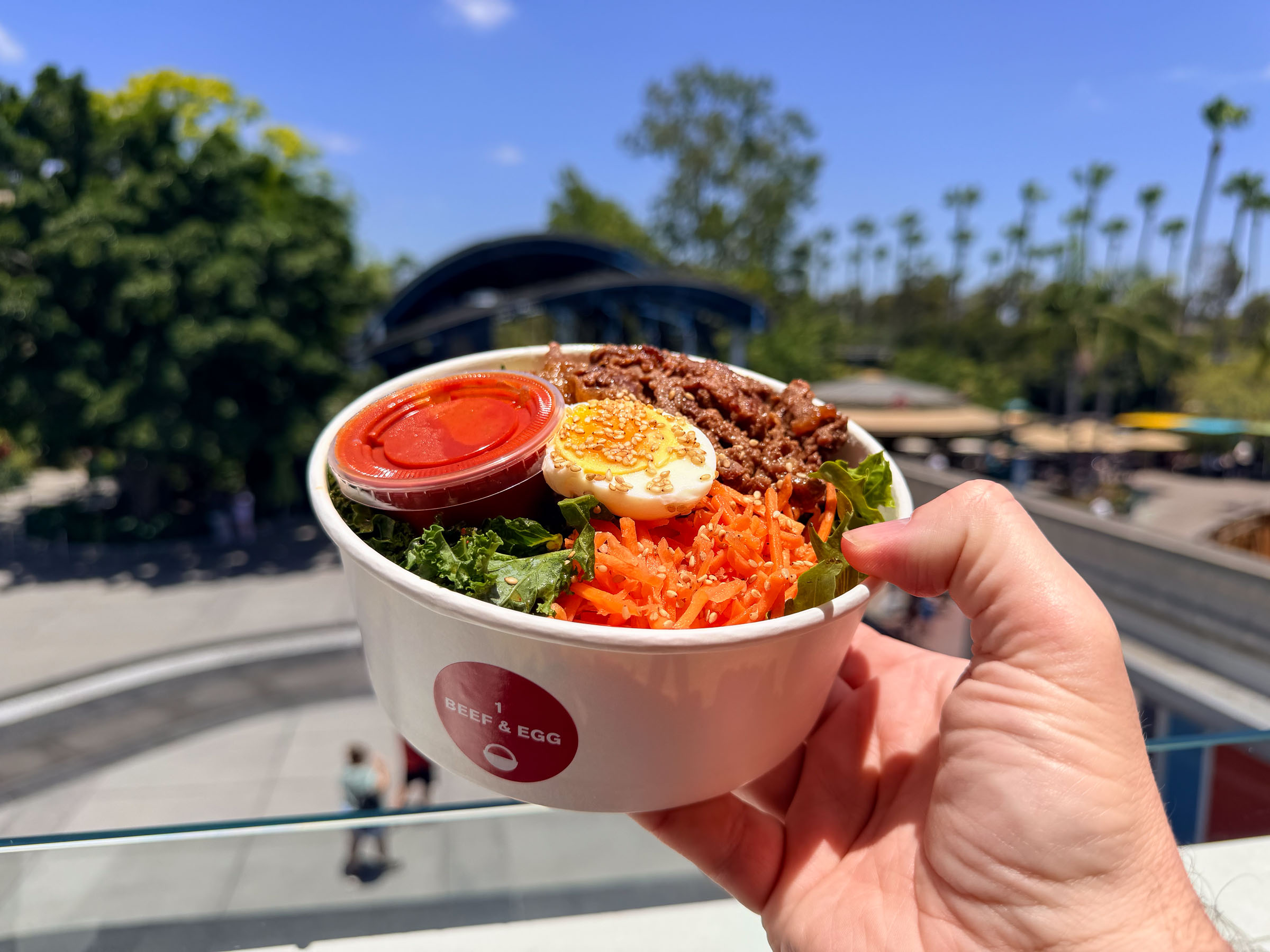
Dining — Food costs inside the parks are high. A sit-down dinner for a family of four at a table-service restaurant regularly runs $150 to $250 with drinks. Quick-service is more manageable but still adds up over five days.
Lightning Lane — Multi Pass at $15 to $39 per person per day, Single Pass at $10 to $30 per attraction, Premier Pass at $300 to $400 per person. Lightning Lane spending is the most variable category and the easiest to over-purchase.
Extras — Memory Maker photos ($169 to $199), merchandise, special events, water parks. These are the easiest costs to cut without affecting the core experience.
Where to save without hurting the trip
Visit during a value season. The single highest-leverage decision in your entire budget is when you go. September (after Labor Day) is both the cheapest time to visit and the least crowded. Ticket prices are at their annual floor. Hotel rates drop significantly. A family choosing September over July can save $1,000 to $2,000 on accommodations and tickets alone, before any other decisions. For the full analysis of the best times to visit, read our Walt Disney World timing guide.
Stay off-site, close to the parks. You don't need a Disney Resort hotel to have a great trip — particularly if you're disciplined about rope drop strategy. An off-site hotel within 10 to 15 minutes of the Disney property eliminates the daily parking cost (currently $30 per day at the parks for non-resort guests), offers more space for the money, and often costs meaningfully less per night than even a Value Resort. The tradeoff is losing Early Entry and the earlier Lightning Lane advance booking window. Whether that tradeoff is worth it depends on how important those perks are to your specific family's touring style.
Buy multi-day tickets, not single-day. Per-day cost drops with every additional day on a multi-day ticket. If you're visiting for 4 or more days, the per-day cost of a multi-day ticket is significantly lower than single-day pricing. Buy through authorized third-party sellers for an additional discount on top of this.
Skip the Park Hopper add-on on a budget trip. Park Hopper adds a per-person per-day premium to your tickets. For families on a budget doing one park per day — which is the most sensible approach for managing energy and costs — Park Hopper is a premium you don't need. Skip it and use the savings elsewhere.
Eat one meal outside the parks each day. Breakfast at your hotel, a grocery store, or a nearby restaurant costs a fraction of the equivalent inside the parks. A family of four eating breakfast in the hotel room with grocery-store supplies saves $30 to $60 per morning compared to a quick-service park breakfast. Over five days, that's $150 to $300 with no impact on the park experience.
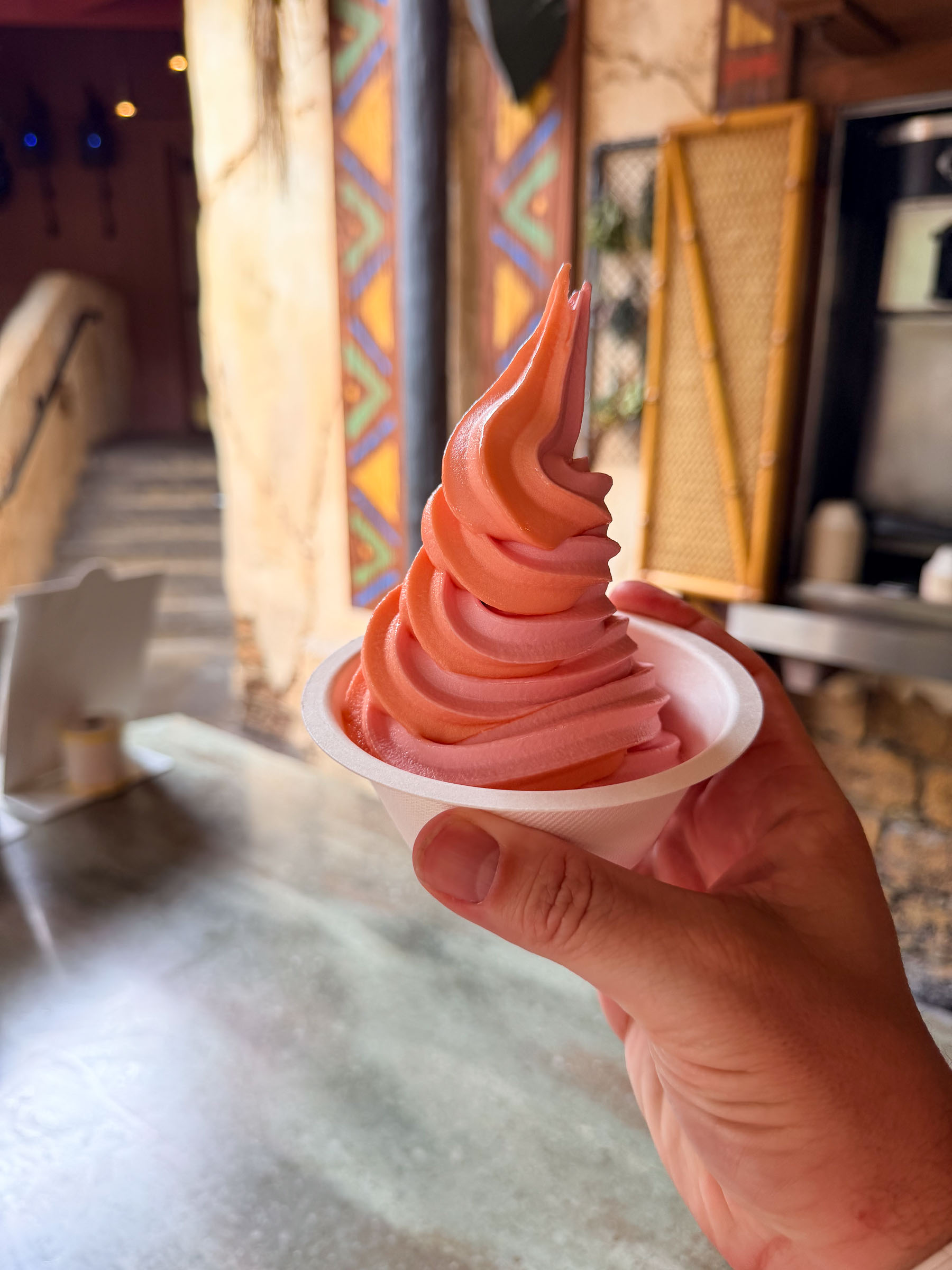
Bring your own snacks and water. Walt Disney World allows outside food and non-alcoholic drinks into the parks. A backpack with granola bars, fruit, and refillable water bottles eliminates the $4 bottles of water and $6 churros that families buy out of convenience rather than desire. Splurge on the one iconic Disney snack you specifically want — the Dole Whip, the funnel cake at the American Adventure — and bring everything else from outside.
Use mobile ordering for quick-service meals — but eat off-peak. Mobile ordering saves 15 to 30 minutes per meal. Eating quick-service at 11 AM or 2 PM (before and after the peak lunch window) means less time waiting and shorter walk-up lines at the counter. It also means your park touring time falls in better slots.
Skip Memory Maker unless you're taking a lot of photos. Memory Maker ($169 to $199 for the trip) includes unlimited PhotoPass digital downloads. It's good value if your family is stopping at every PhotoPass location and eating at multiple table-service restaurants with in-restaurant photography. It's a poor value if you'll use it for five or six photos that you could have taken yourself. Assess honestly before buying.
What's worth spending on
Multi-day tickets over single-day tickets. Every additional day reduces your per-day cost. If you're going to Disney, go for enough days to see it well.
Lightning Lane Single Pass for the right rides. You don't need to buy Single Pass for every high-demand ride. You need it for the one or two rides where the standby wait is genuinely unacceptable to your group. At Magic Kingdom, TRON Lightcycle / Run earns its Single Pass cost on most days because its wait times barely drop throughout the day. At Animal Kingdom, Avatar Flight of Passage similarly justifies the cost on moderate to busy days. On quieter days in value season, rope drop can get you on both without any Lightning Lane spend.
Lightning Lane Multi Pass on busy days. On a peak summer day at Magic Kingdom or Hollywood Studios, Multi Pass at $30 to $39 per person converts hours of afternoon standby waiting into manageable Lightning Lane queues. On a quiet September weekday, you can probably skip it. The decision should be made based on the specific date and park, not as a blanket policy for every park day.
One sit-down meal. The best dining experiences at Walt Disney World — Sanaa at Animal Kingdom Lodge, Via Napoli at EPCOT, Ohana at the Polynesian — cost more than a quick-service meal but deliver something genuinely different. One table-service meal per trip, chosen deliberately, is a worthwhile investment. Six table-service meals, booked because they seemed interesting, is where the dining budget goes sideways.
A good off-site hotel. Being comfortable and well-rested isn't a luxury — it's what makes you functional at 8:30 AM when Early Entry opens. A quality off-site hotel with a real bed, working air conditioning, and room for your family to spread out is worth the money. The cheapest possible option, if it means poor sleep, is a false economy.
The free experiences most families underuse
Some of the best Disney World experiences cost nothing beyond your park admission:
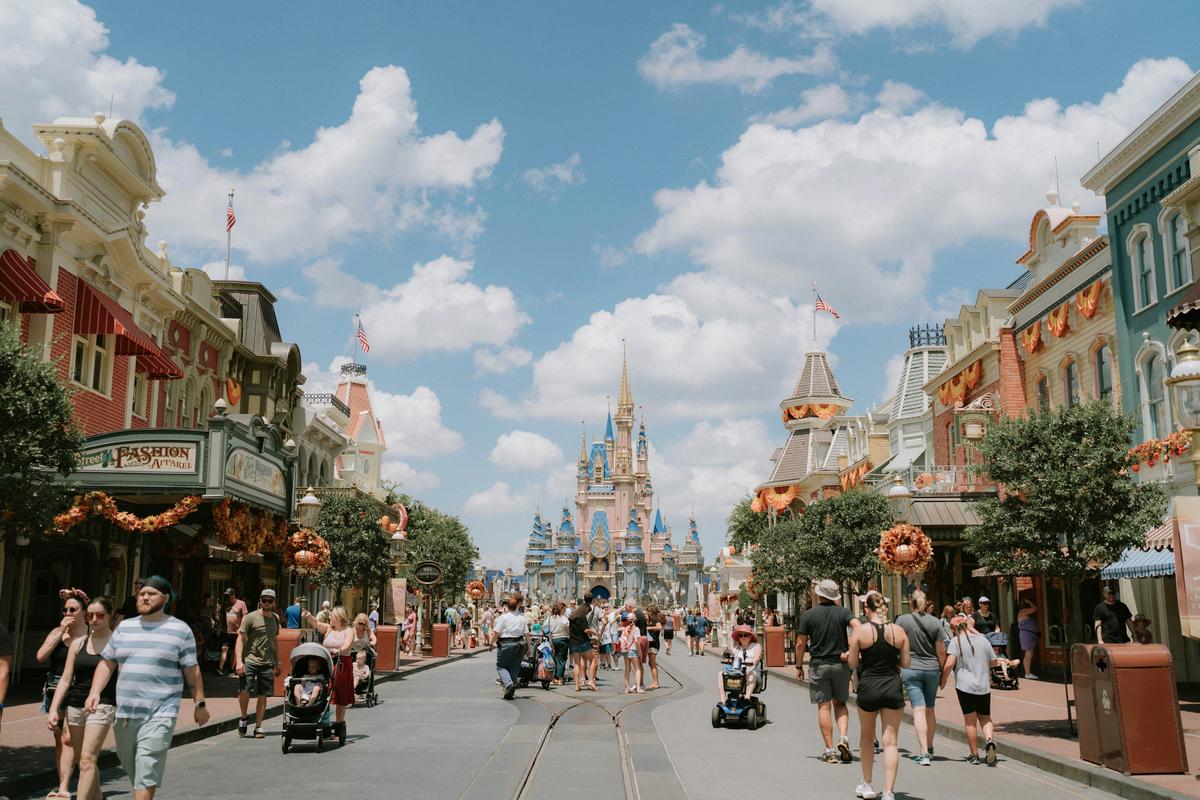
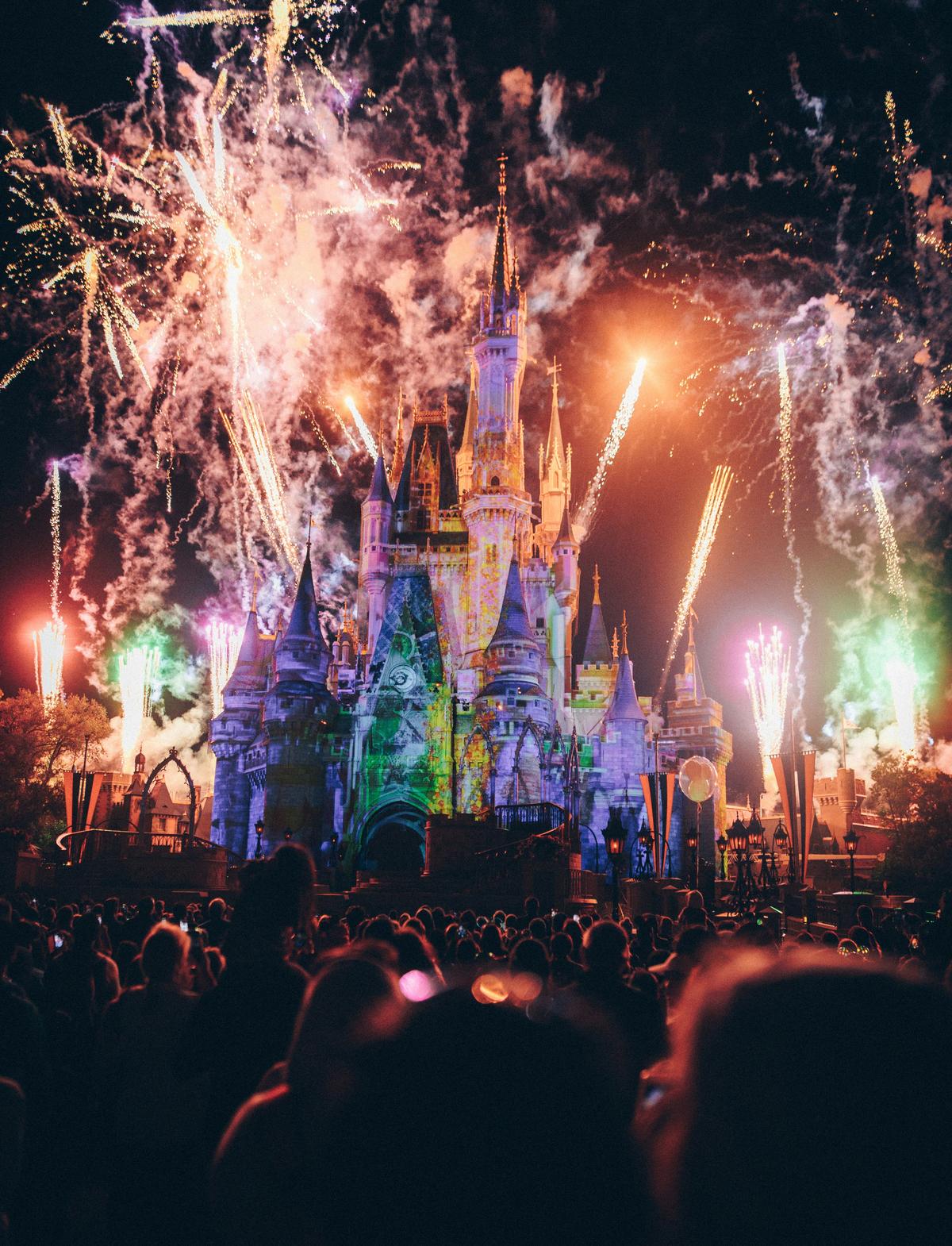
The nighttime spectaculars. Fireworks over Cinderella Castle at Magic Kingdom, the EPCOT nighttime lagoon show, and the Hollywood Studios show are all included with park admission. They're among the most memorable experiences of any Disney trip. Stay for them.
Parades. Festival of Fantasy at Magic Kingdom and other park parades are free entertainment with genuine production value. Young children who wouldn't remember any individual ride often remember watching a parade for the rest of their childhood.
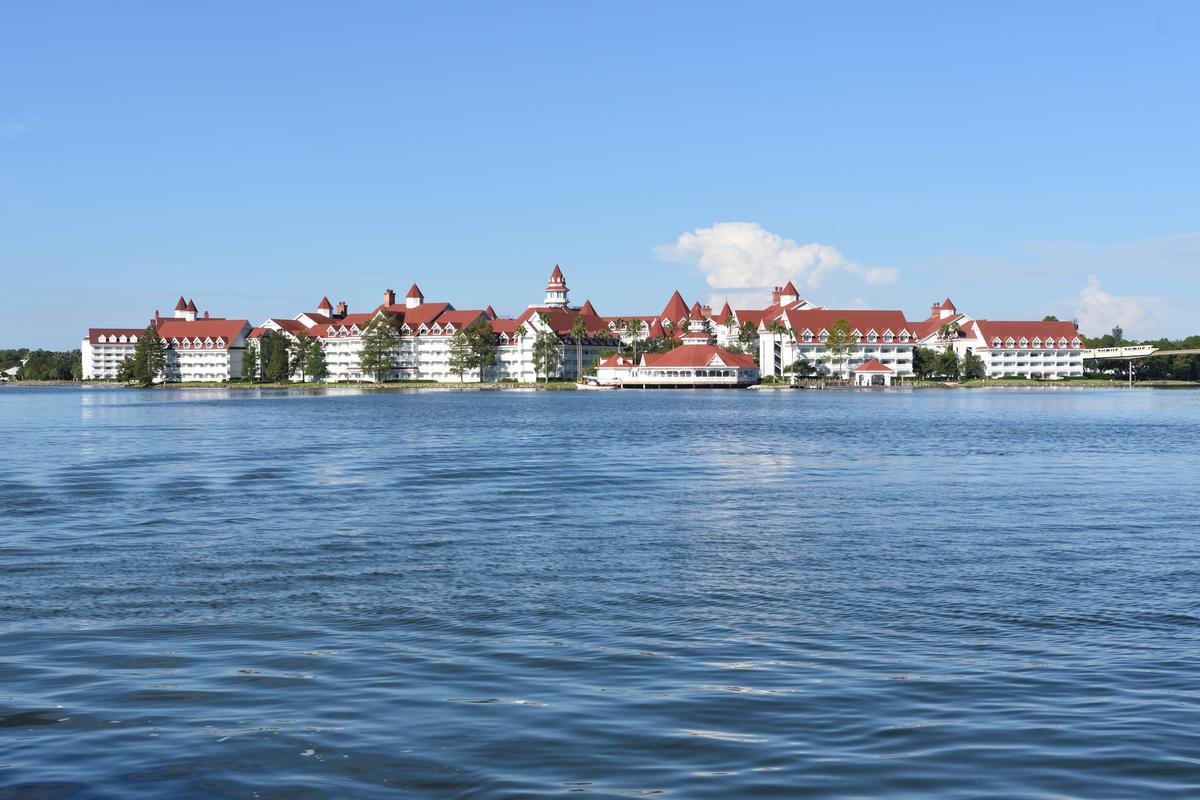
Resort hopping. You don't need a room or a park ticket to walk through Walt Disney World's resort hotels. The lobby of the Grand Floridian, the Animal Kingdom Lodge savanna viewing area (open to all guests), the Wilderness Lodge's interior — these are free experiences that feel like premium ones.
The free concerts at EPCOT Food and Wine Festival. The Eat to the Beat Concert Series runs multiple times daily during the Food and Wine Festival (August 27 through November 21, 2026) at EPCOT's America Gardens Theatre and is included with park admission. Real concerts, free with entry.
The costs that sneak up on families
Merchandise. The parks are designed to encourage impulse purchases, and they're very good at it. A budget plan for merchandise — a specific per-person allowance, decided before you enter the park — prevents the accumulation of $300 in plush toys and light-up wands that felt essential in the moment and feel different when you're back home.
Upcharges inside quick-service. Specialty drinks, premium toppings, and seasonal additions to quick-service menus add $3 to $8 per item that can double a meal cost without being the main item. Order deliberately rather than reflexively.
Gratuity at table-service restaurants. Table-service tips are not included in menu prices or in the Dining Plan. Budget 18 to 20 percent on top of menu prices when planning table-service meals.
> The Co-Pilot Take: Budget Disney World comes down to three decisions: when you go (value season saves the most), where you sleep (off-site saves the second most), and which add-ons you actually need vs. reflexively buy. The magic at the park is the same regardless. The fireworks don't cost more on a budget trip. The castle is the same castle.
Frequently asked questions

More magic.
Get the Theme Park Co-Pilot app and see real Walt Disney World wait times, crowd forecasts, and personalized plans.
Try free for 7 days →