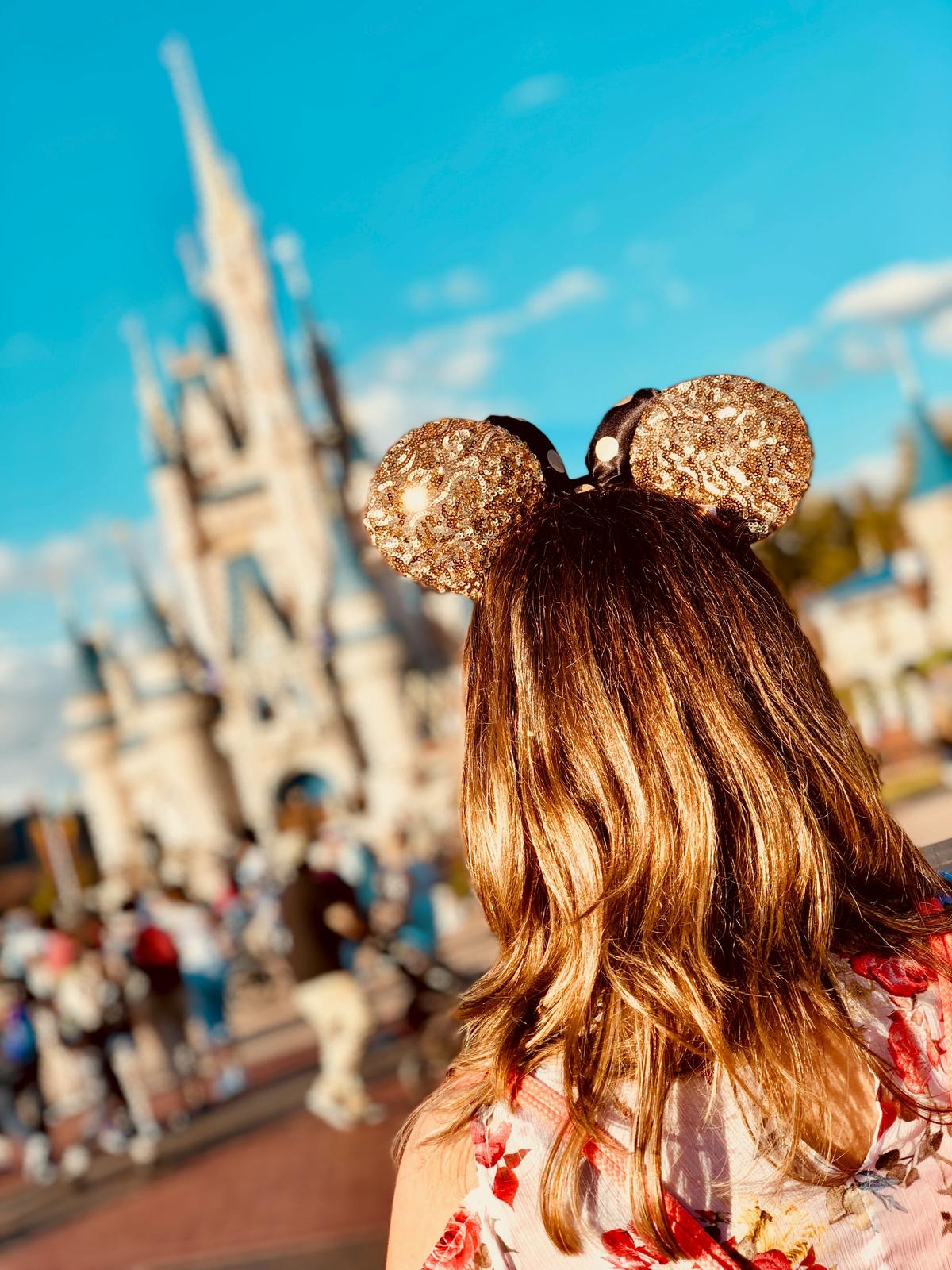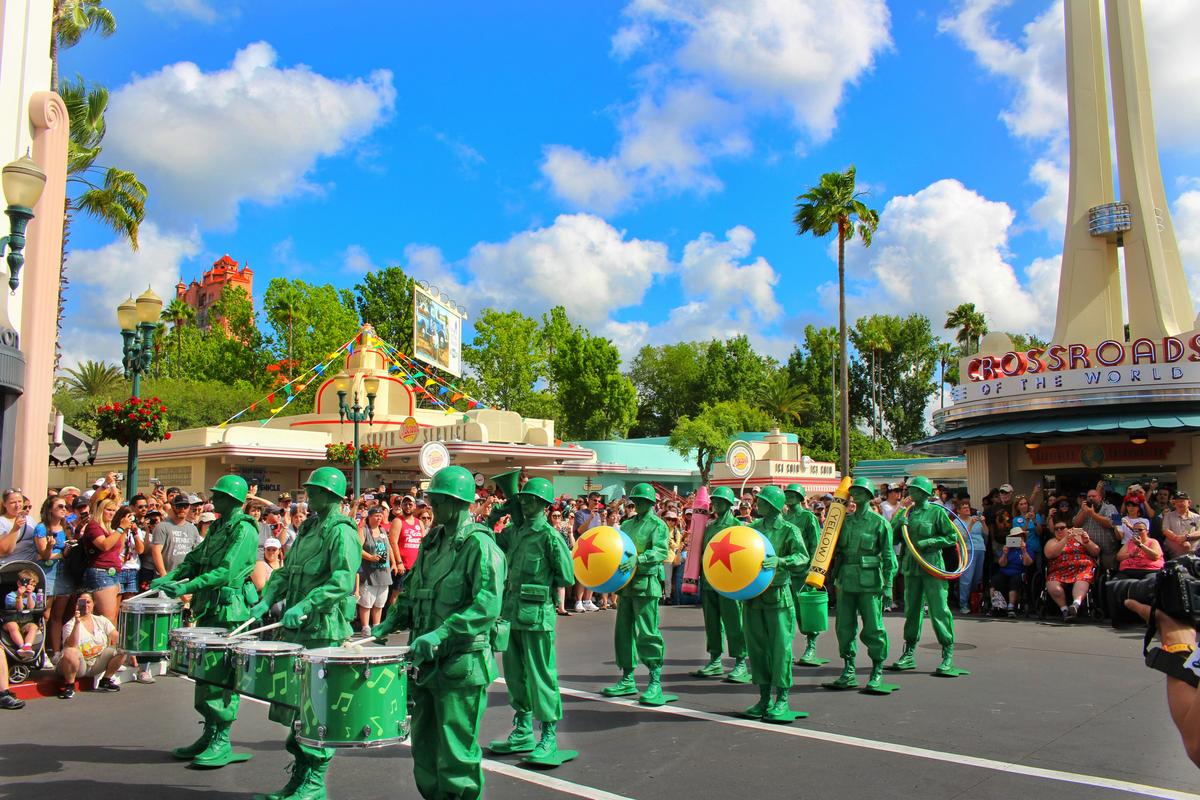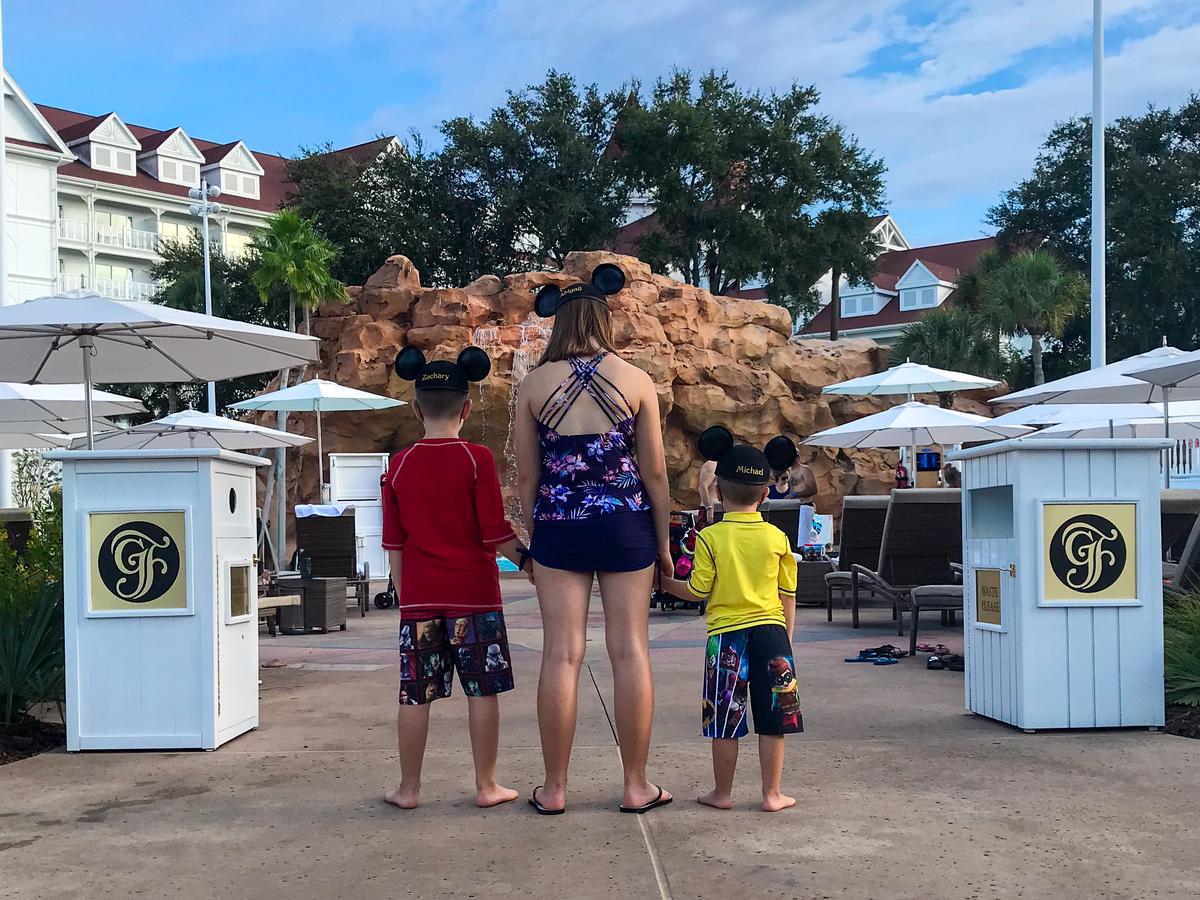
The families who have wonderful trips with toddlers build days around those moments. The families who struggle try to run a full adult touring schedule with a small child attached. This guide is about building days that work for the child in front of you, not the Disney trip you'd plan without them.
The honest truth about age and readiness
Children under age 2 enter Walt Disney World for free and can certainly visit — but most won't retain long-term memories of the trip, and they'll get tired faster than older children. If the primary motivation is creating memories for the child, age 3 to 4 is a more meaningful starting point. If the primary motivation is the parents' experience of watching their child react to Disney, any age works.
The sweet spot for a first Disney trip is generally ages 3 to 6. Children in this range have enough awareness to react to characters, enough stamina for shorter park days, and enough height (for most, by age 4) to access a meaningful range of attractions. They're also still young enough that the princess, the castle, and the parade carry genuine wonder that older children sometimes stop feeling.
Height matters in planning. Most toddlers under about 36 inches are limited to the rides with no height requirement, but there are more of these than families realize — including some of the park's most beloved experiences. By 38 inches (typically around age 4 to 5 for average children), a significant number of coasters open up. By 40 inches, most major family attractions are accessible.
Which park is best for toddlers
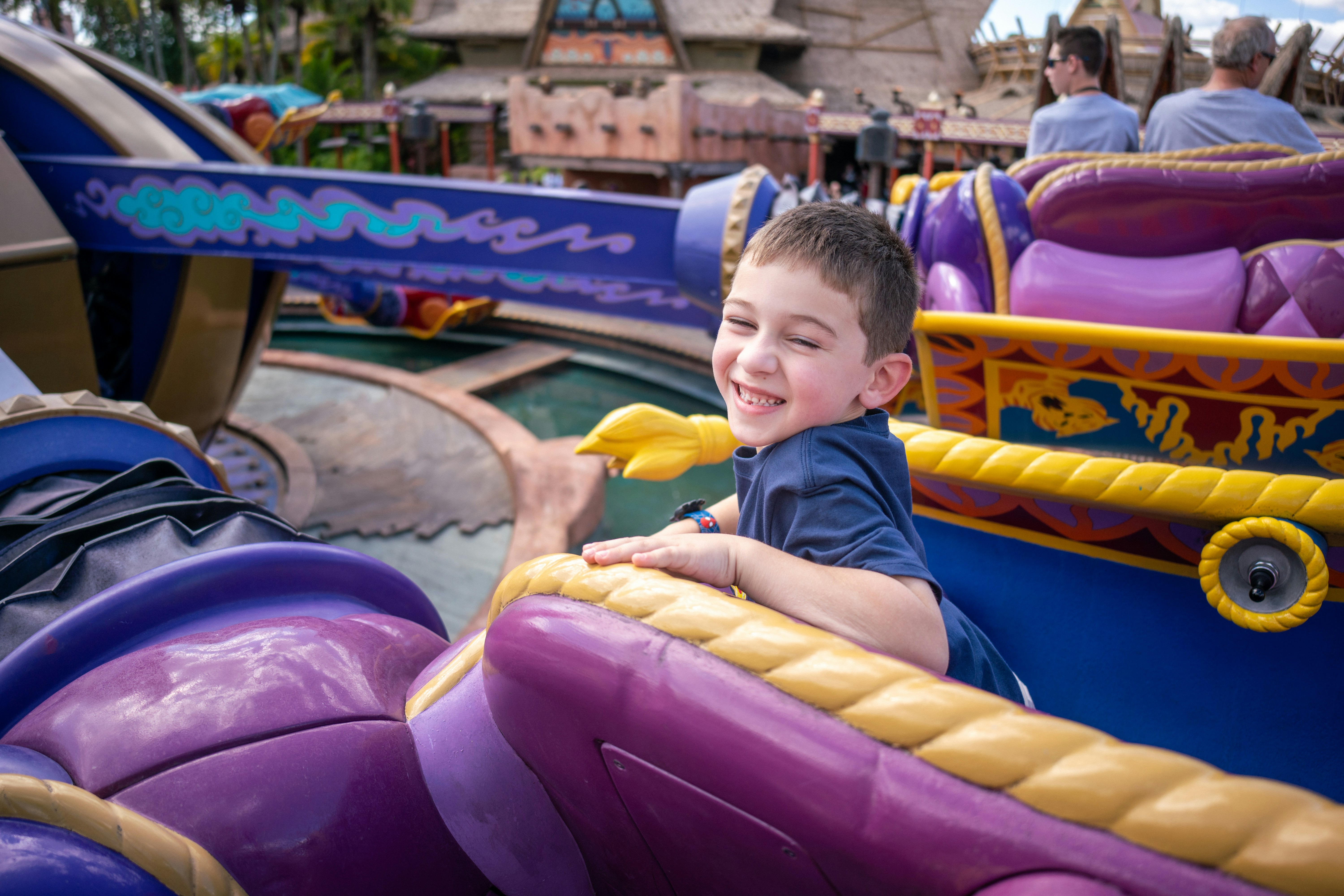
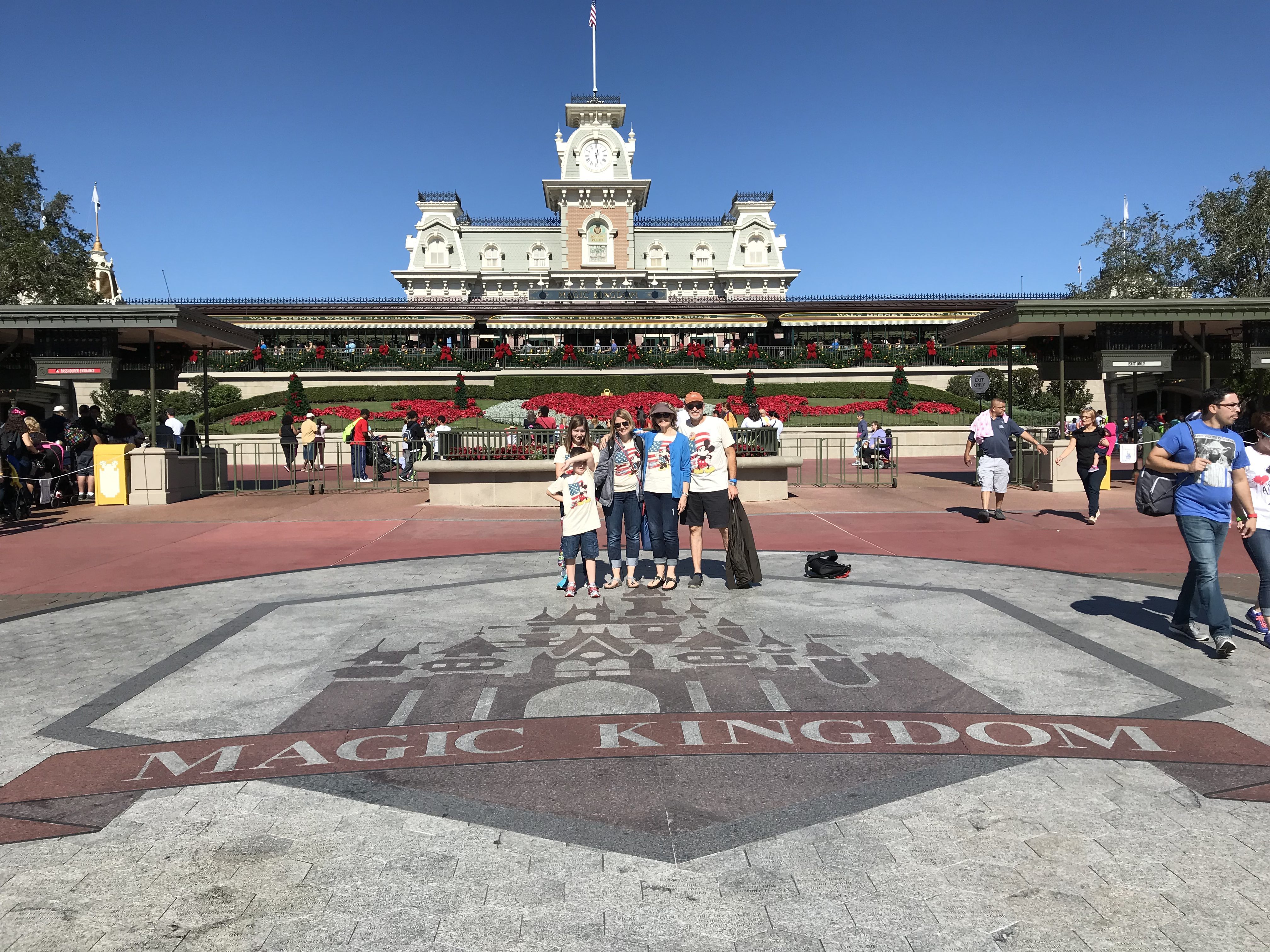
Magic Kingdom is the unambiguous top choice. It has more attractions with no height requirement than any other Disney park, and many of its best experiences require no height at all: Haunted Mansion, Pirates of the Caribbean, Jungle Cruise, it's a small world, Peter Pan's Flight, The Many Adventures of Winnie the Pooh, Under the Sea — Journey of The Little Mermaid, Mickey's PhilharMagic, Dumbo the Flying Elephant, Carousel of Progress, the Tomorrowland Transit Authority PeopleMover, and more. A toddler under 36 inches can have a full, satisfying day at Magic Kingdom without ever hitting a height restriction.
The character density at Magic Kingdom is also highest — Cinderella Castle, character meet-and-greets, the Festival of Fantasy parade, and the nightly fireworks all deliver the emotional peaks that define a toddler's Disney memory.
Animal Kingdom is the second-best toddler park. Kilimanjaro Safaris has no height requirement and delivers something genuinely different from any other theme park experience — real animals, real environments, real wonder. Na'vi River Journey has no height requirement. The trails and live entertainment fill a morning beautifully.
EPCOT has fewer toddler-specific rides but works well for families who pace it right. Remy's Ratatouille Adventure (no height requirement), Frozen Ever After (no height requirement), and Soarin' (40-inch height requirement) are all appropriate. World Showcase in the afternoon gives toddlers a chance to walk, look at things, and interact with the environment without needing to ride anything.
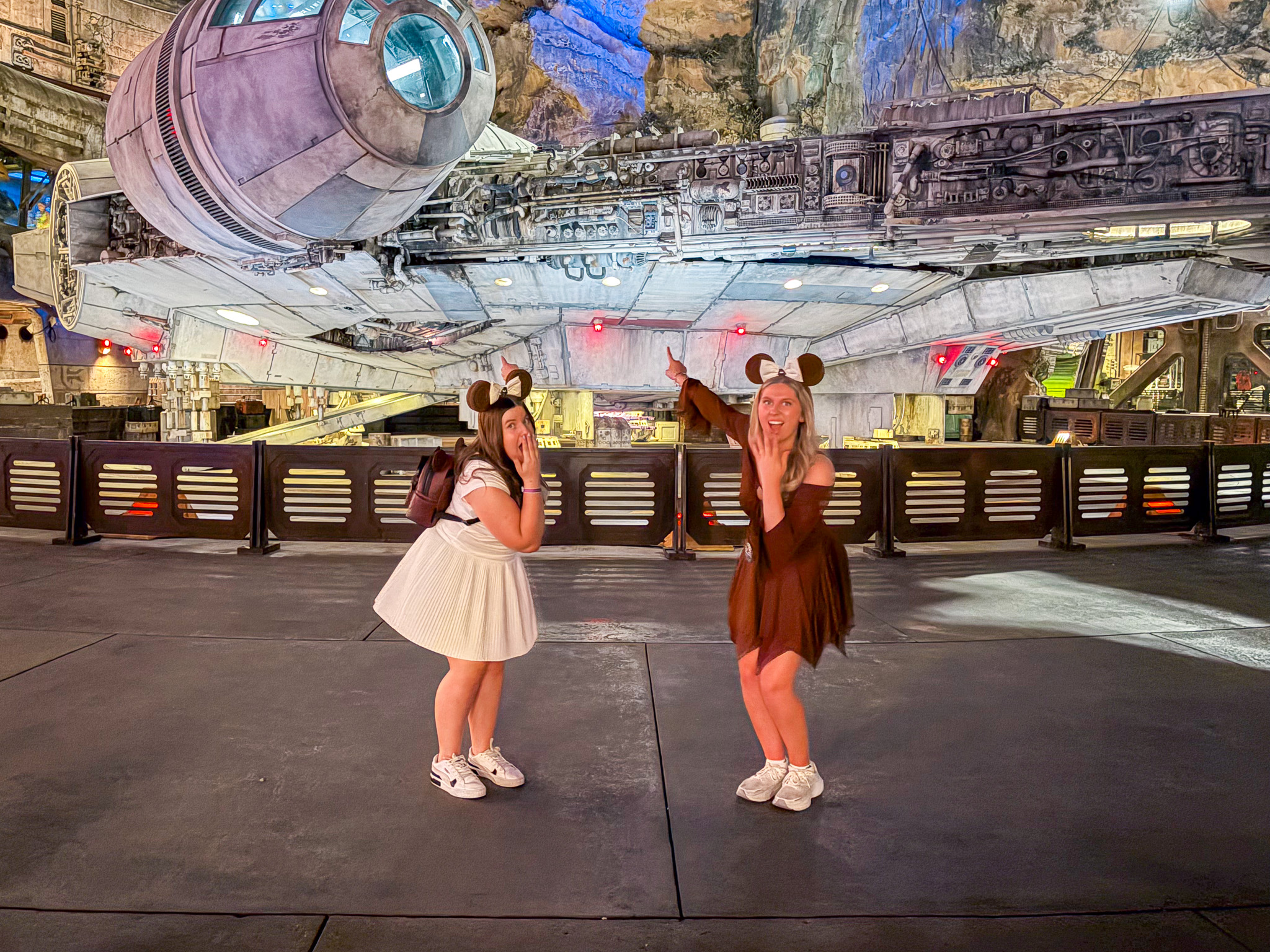
Hollywood Studios has the fewest no-height-requirement attractions and is the least suitable for very young children. Mickey & Minnie's Runaway Railway (no height requirement) and Toy Story Mania! (no height requirement) are the main toddler options. Galaxy's Edge is impressive to walk through but the rides both have height requirements.
What actually works with toddlers
Shorter days, not longer ones. Four to six hours in the park is a realistic, enjoyable day for most toddlers. Eight-to-ten-hour days end in tears — usually the child's, sometimes the parents'. Build your schedule around the child's actual capacity, not the ticket value.
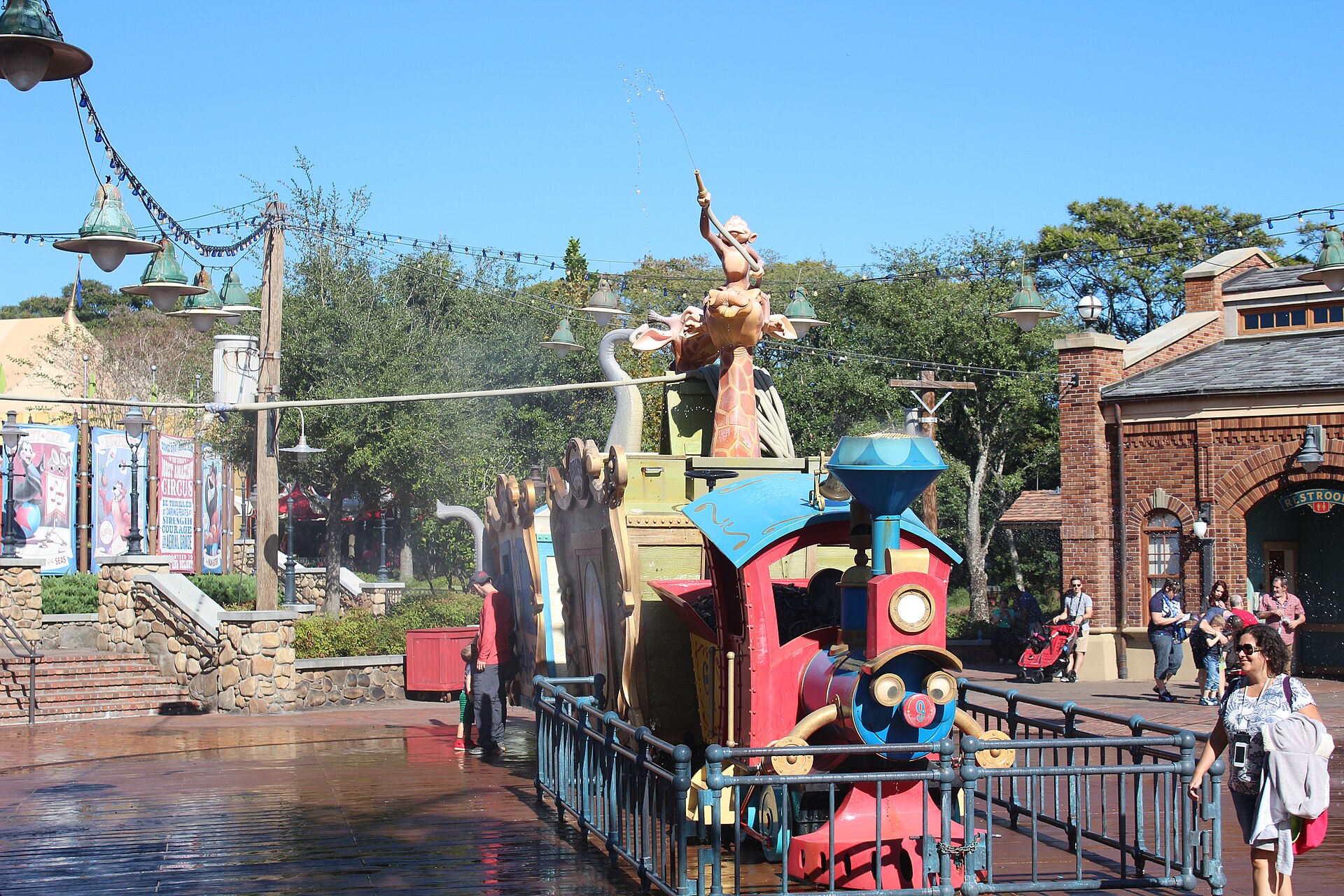
Photo by Theme Park Tourist / CC BY 2.0
Mornings over afternoons. Toddlers function best in the morning. A 9 AM arrival, four to five hours in the park, and out before 2 PM protects the child's energy and the afternoon nap. If you're staying at a nearby hotel, a midday break and return for the evening parade or fireworks gives you the best of both windows.
Character experiences as anchors. The moment a toddler meets their favorite character — Minnie Mouse, Elsa, Mickey, a princess — is often the moment that defines the whole trip. These interactions are genuine and unhurried in a way that photographs can't fully capture. Book one character dining experience or identify one character meet-and-greet location as the day's emotional priority.
Rider Switch. At any height-restricted attraction, the Rider Switch program lets both parents experience the ride without waiting twice. One parent waits with the child while the other rides; the waiting parent then gets a Lightning Lane-style pass to ride next. Ask at the attraction entrance — no advance setup required. This is the logistics solution that lets parents keep their ride priorities without leaving a toddler standing outside waiting.
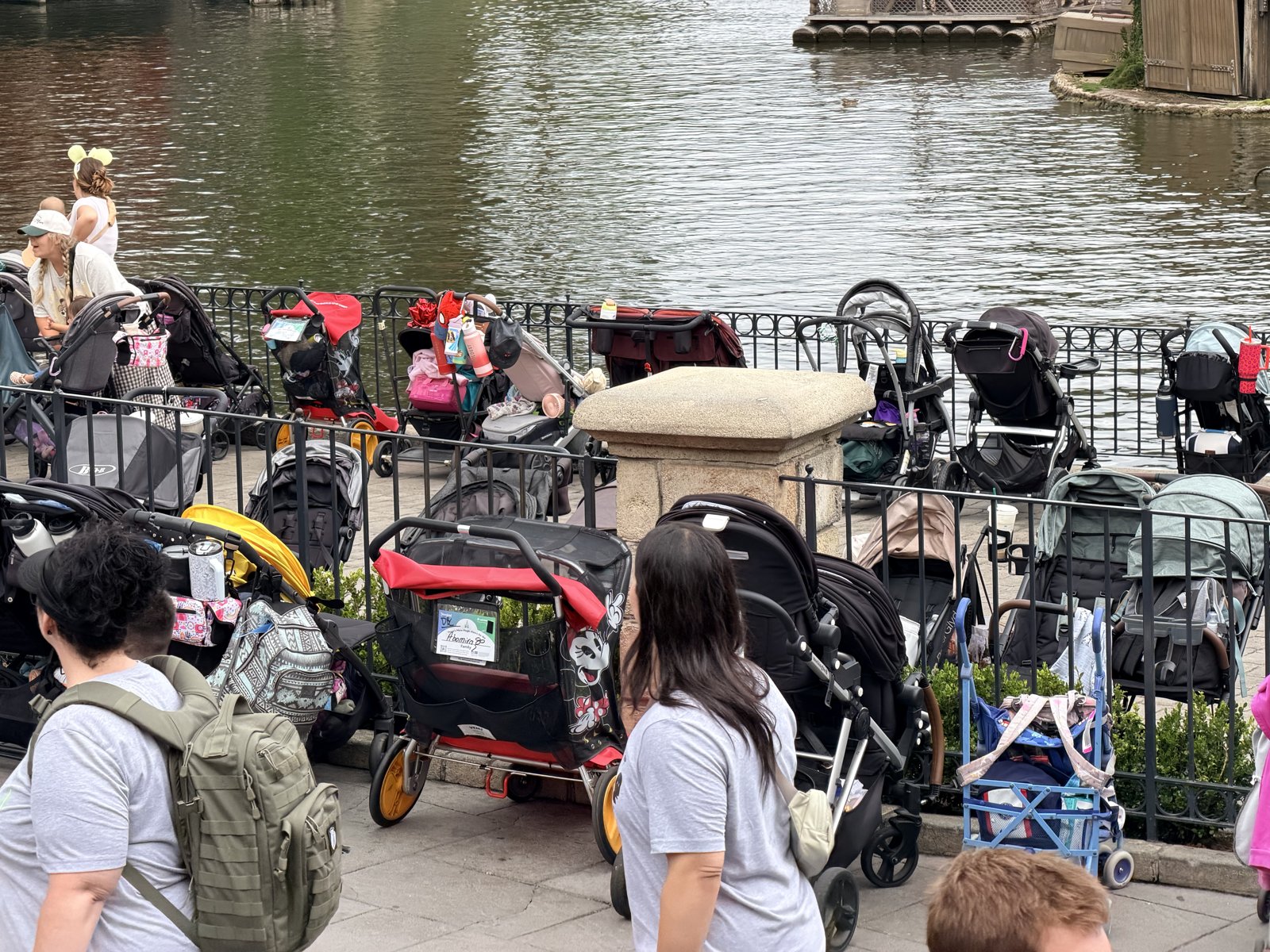
Stroller logistics. Disney allows strollers throughout the parks. Large stroller parking areas sit outside most attractions. Bringing your own stroller is strongly recommended over renting — you'll know how it works, it fits your child, and it saves per-day rental costs. A light travel stroller is easier to manage than a full-size model but less comfortable for naps. If your child still naps in the stroller, a full-size model is worth the extra bulk.
One bag, correctly packed. Sunscreen, a hat, diapers and wipes, a change of clothes (at least one per child), snacks from outside the park (Disney allows outside food), refillable water bottles, any medications, a light jacket or layer for evening, and a comfort item for fussy moments. Nothing else is needed. Keep it light.
What doesn't work with toddlers
Trying to ride everything. A family trying to tackle a full adult touring schedule with a toddler in tow will wear out the child, frustrate the adults, and miss what makes a Disney trip with a young child genuinely special. The magic is not in the ride count.
Skipping the midday break. Families who push through lunch and nap time in hopes of "getting more done" consistently report the worst afternoons. An overtired toddler in a crowded park at 2 PM is a different situation from a rested one at 4 PM.
Hyping a specific ride the child can't access. Discovering at the attraction entrance that a child can't meet the height requirement is a hard moment. Check requirements before you go and manage expectations proactively. For toddlers under 40 inches, focus on what they can do — which is substantial — rather than building anticipation for rides they can't access.
Eating at peak crowd windows. The park is most crowded between 11:30 AM and 1:30 PM. Eating at 11 AM or 2 PM avoids the worst of the lunch rush and gives you more flexibility than mobile ordering at the peak window allows.
The best rides for toddlers at Magic Kingdom
No height requirement — accessible to all ages:
- it's a small world
- Peter Pan's Flight
- Dumbo the Flying Elephant
- The Many Adventures of Winnie the Pooh
- Under the Sea — Journey of The Little Mermaid
- Haunted Mansion
- Pirates of the Caribbean
- Jungle Cruise
- Mickey's PhilharMagic
- Tomorrowland Transit Authority PeopleMover
At 38 inches (accessible to many 4-to-5-year-olds):
- Seven Dwarfs Mine Train (38 inches)
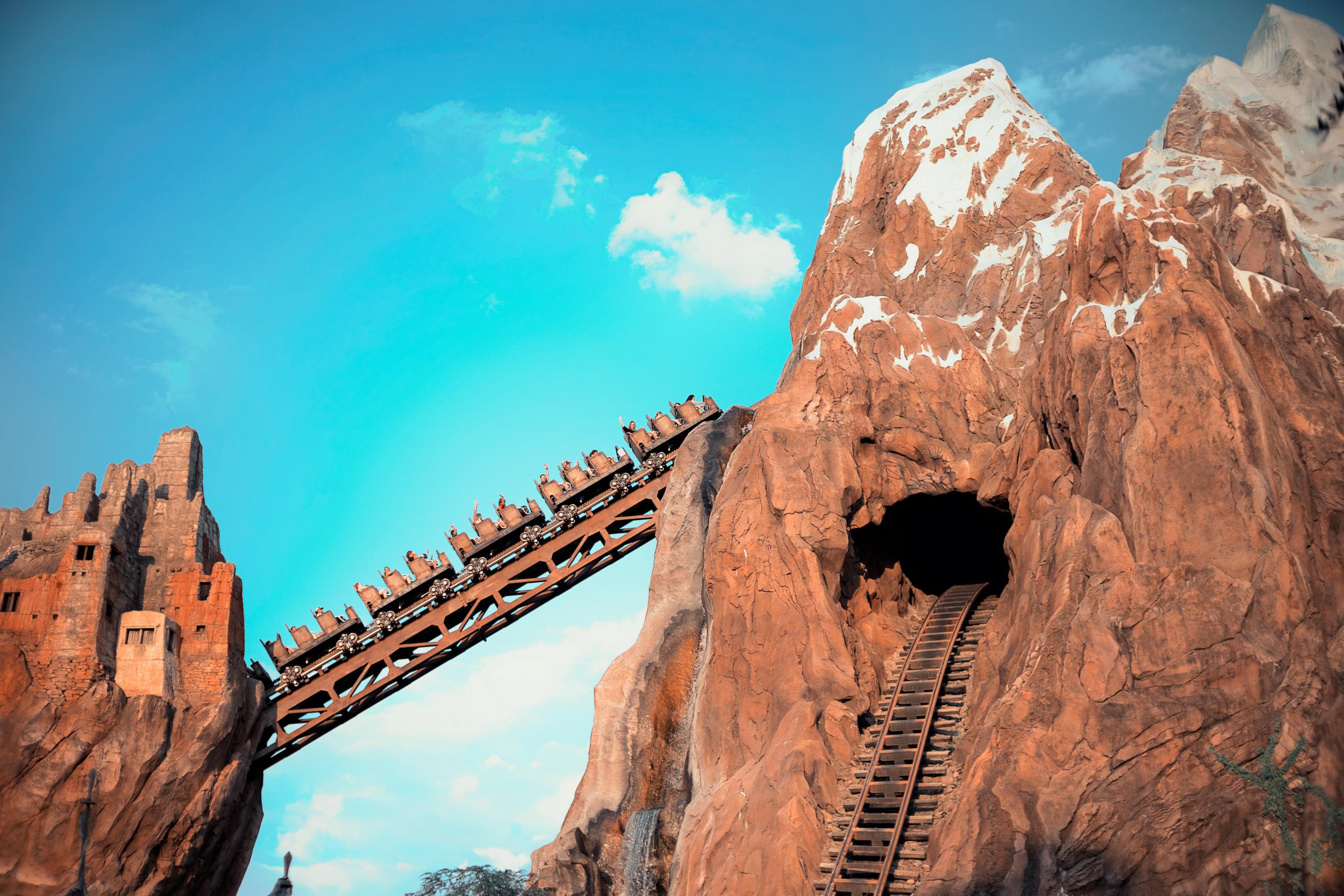
- Big Thunder Mountain Railroad (38 inches — lowered from 40 in its 2026 refurbishment)
Character meetings — how to plan them
Character meetings at Walt Disney World happen in two ways: scheduled meet-and-greet locations in the parks (check the My Disney Experience app for current character locations and wait times) and character dining experiences (see our Disney World character dining guide for which ones are worth it).
For toddlers, character dining often delivers better interactions than standby meet-and-greet lines — the characters come to your table, the interaction is longer and more personal, and there's no standing in line with an impatient child. The Garden Grill at EPCOT and Topolino's Terrace Breakfast are the strongest experiences for very young children in terms of food quality and character proximity.
In-park meet-and-greets in the early morning have the shortest waits. Meeting a character in the first 30 minutes of the park day often means a 10-minute wait rather than the 45 minutes you'd face by mid-morning.
> The Co-Pilot Take: The best trip you can take with a toddler is the one that's honestly sized for them. Three rides, one character meeting, a snack they loved, and fireworks. That's the memory. Not seven rides and a character dining and a parade — just the moment your child's face changed when they saw something they didn't know they were waiting for.
What to stop worrying about
Parents planning Disney with toddlers often agonize over things that don't actually affect the trip:
Rope dropping every day. A toddler doesn't benefit from the same morning urgency as a family chasing TRON. A 9 AM arrival and four hours in the park is a great day for a 3-year-old.
Riding everything. Your toddler doesn't know what they missed. They know what they loved. Two rides ridden happily beat six rides rushed.
Dining reservations for every meal. One character dining experience is meaningful. Four table-service reservations is a scheduling exercise. Let most meals be mobile-order and cart snacks.
Character checklists. One perfect character interaction — the one where your child's face changes — is worth more than eight rushed handshakes. Quality over quantity.
Using Lightning Lane "correctly." Lightning Lane strategy for toddler-appropriate attractions is usually unnecessary. The rides young children love most have shorter lines and higher capacity than the headline coasters.
Frequently asked questions

More magic.
Get the Theme Park Co-Pilot app and see real Walt Disney World wait times, crowd forecasts, and personalized plans.
Try free for 7 days →