The difference between those two versions isn't luck. It's preparation. Not the obsessive, spreadsheet-for-every-hour kind of preparation — just knowing the things that experienced guests know before they walk in the gate. This is that guide.
Understand what Disneyland actually is before you go
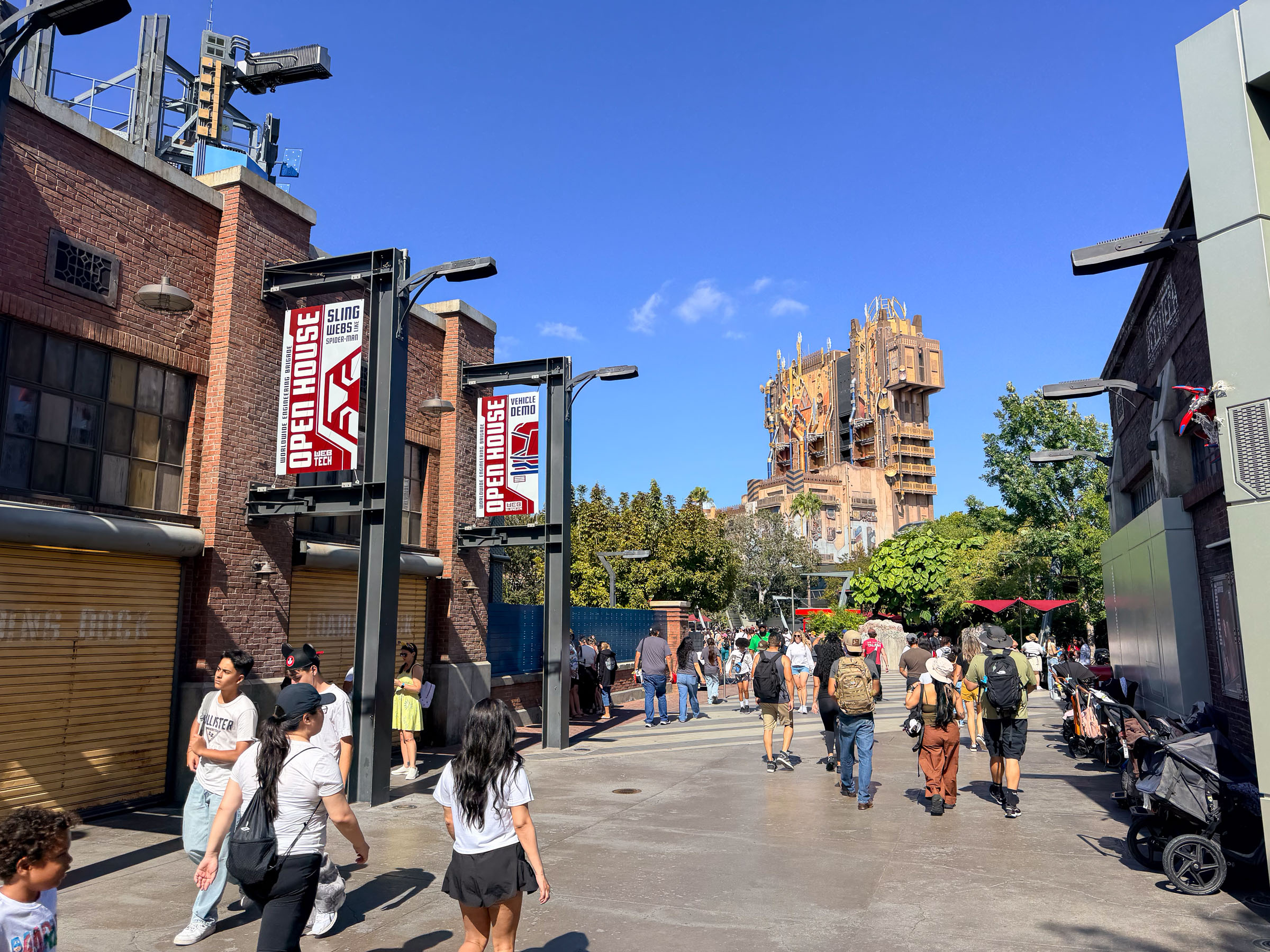
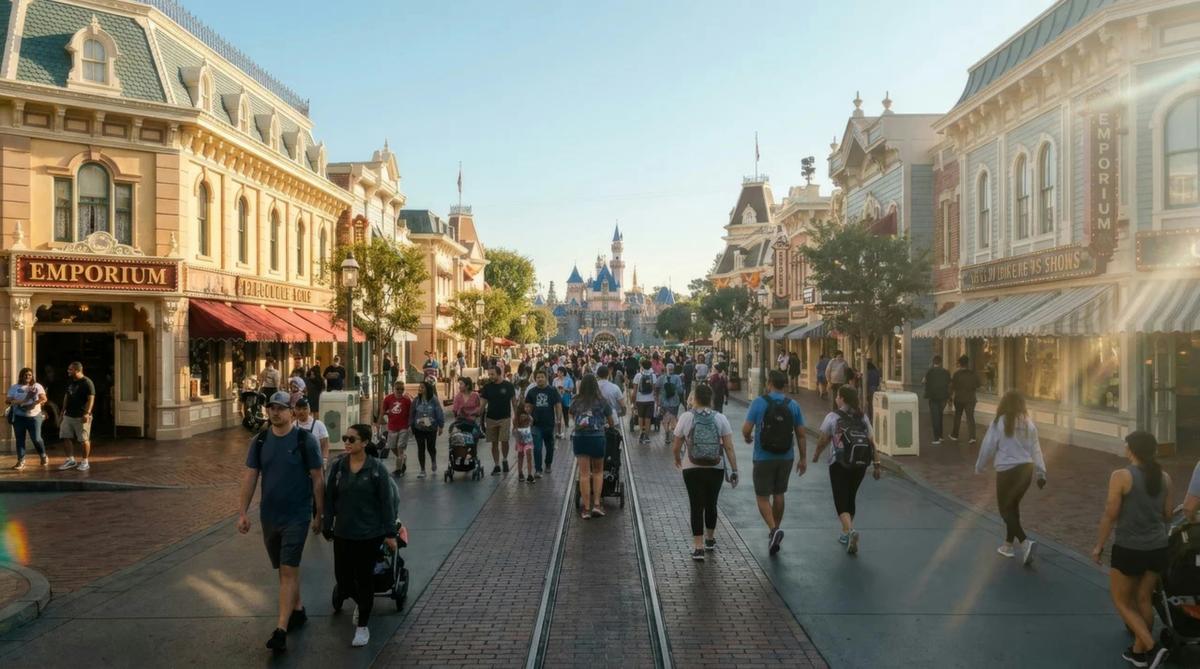
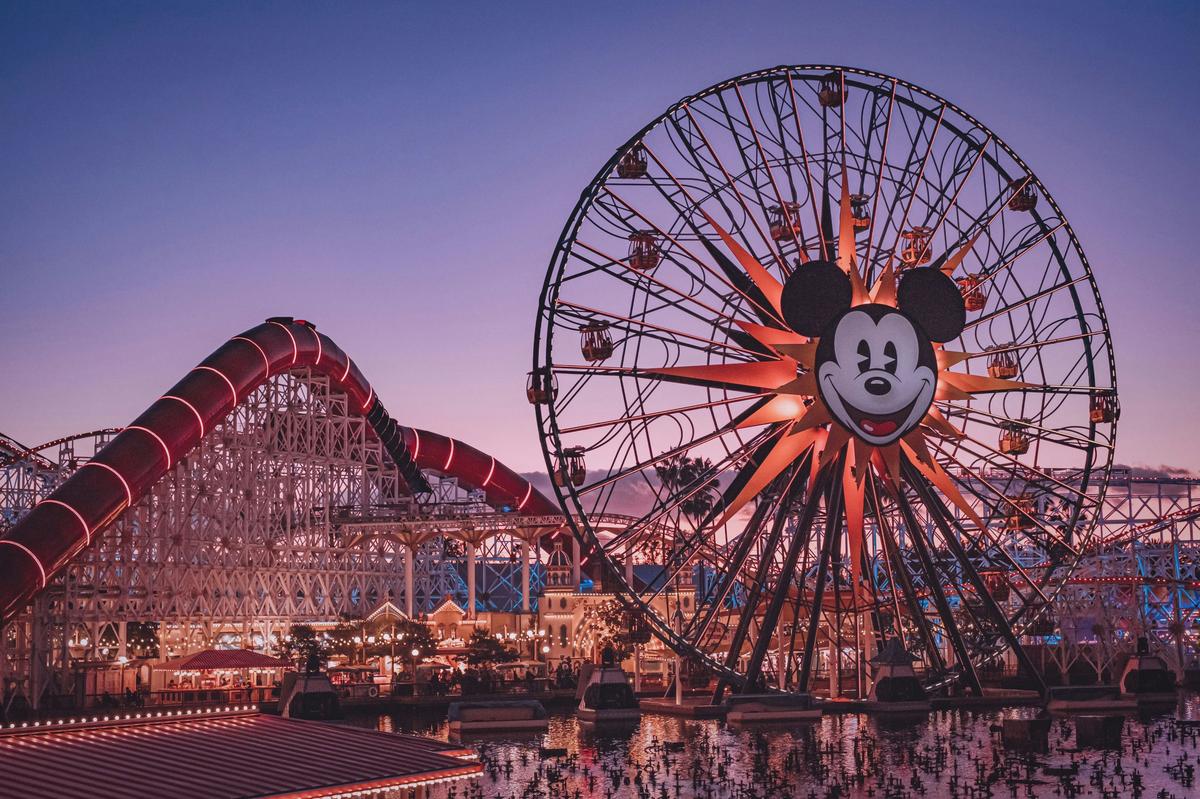
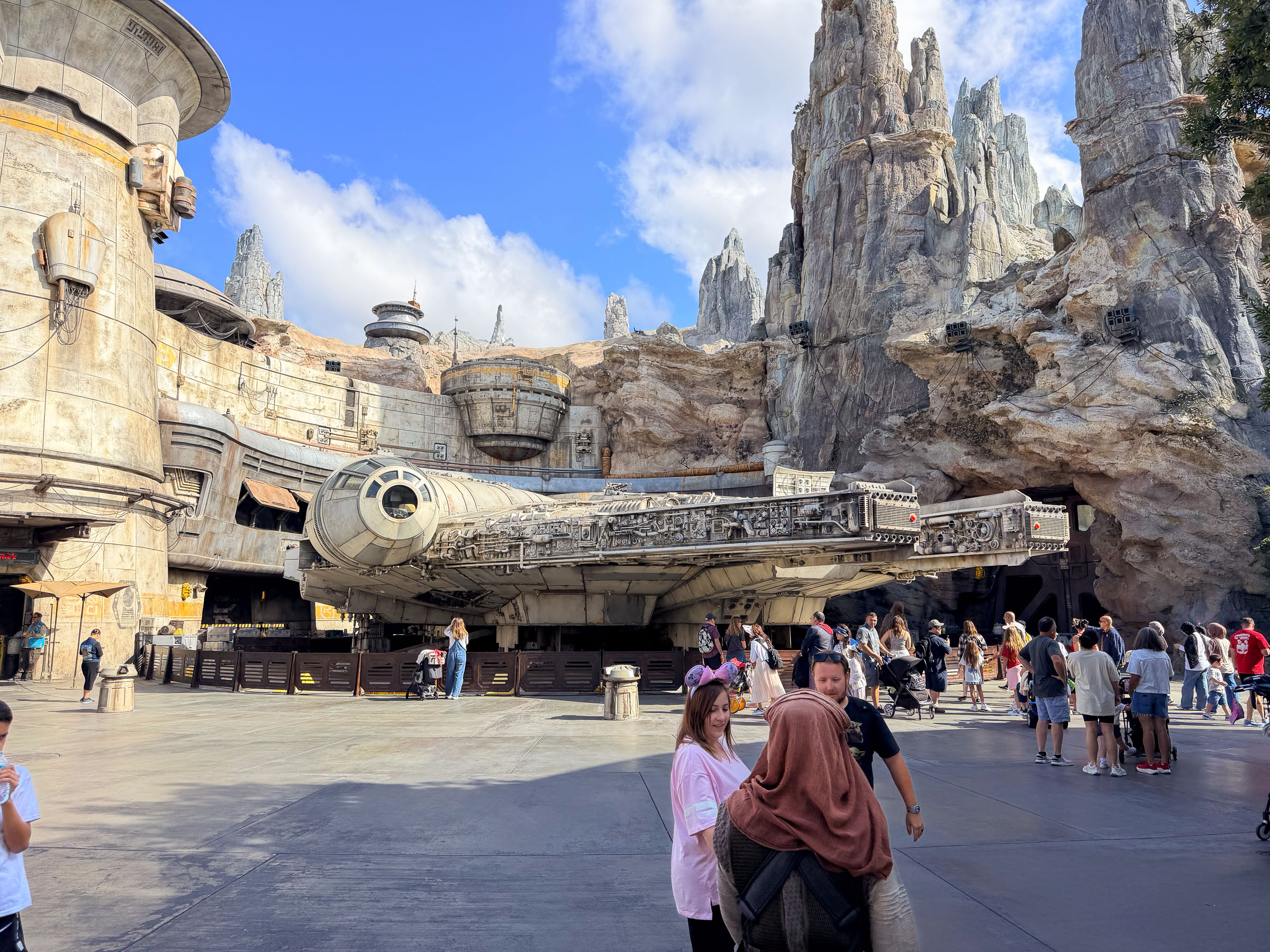
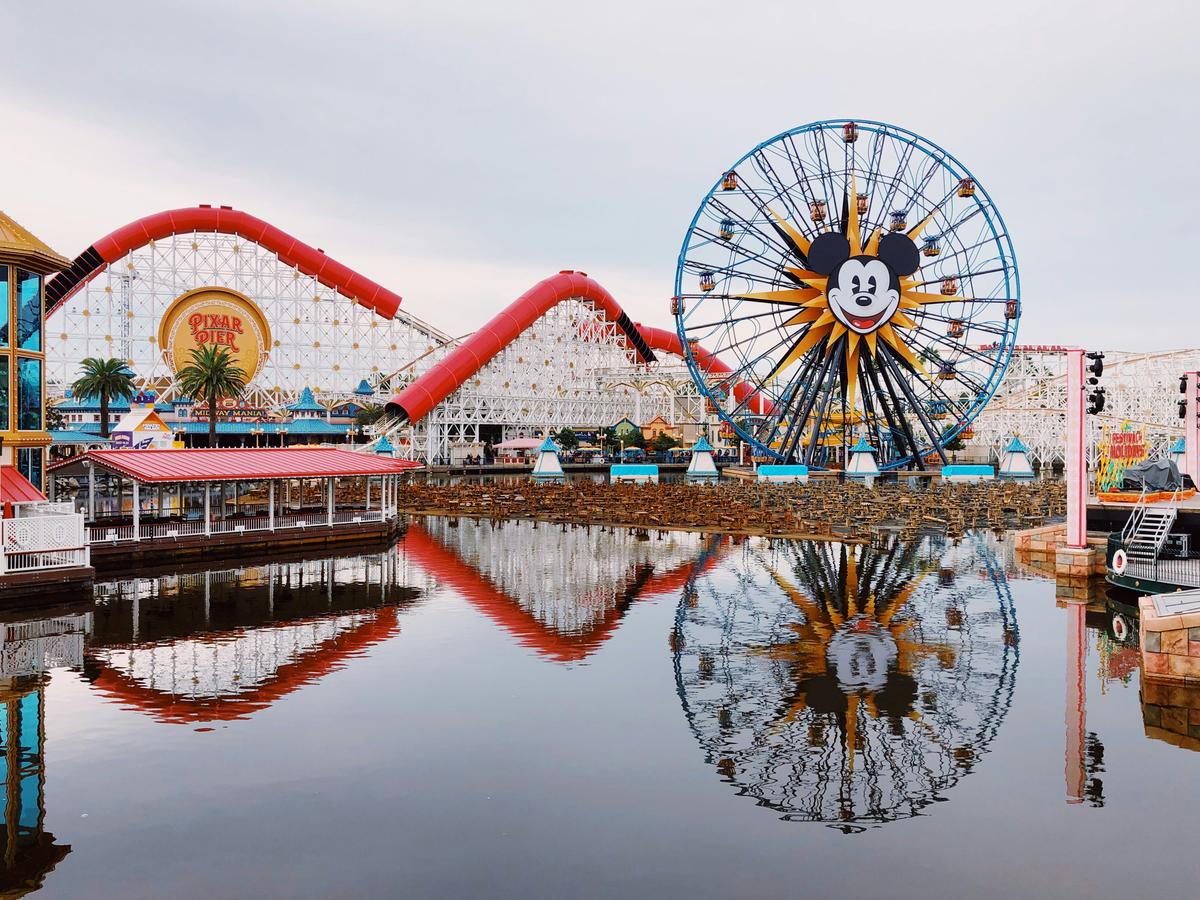
Disneyland Resort is two separate theme parks — Disneyland Park and Disney California Adventure — that share a single entrance called the Esplanade. They're not the same thing, and they're not identical. Disneyland Park is the original, opened in 1955, and contains the most iconic Disney experiences: the castle, Main Street, Pirates of the Caribbean, the Haunted Mansion, Fantasyland, and Star Wars: Galaxy's Edge. Disney California Adventure is across the plaza and leans into bigger thrill rides, Cars Land, the Incredicoaster, and the Guardians of the Galaxy ride.
A Park Hopper ticket gives you access to both on the same day. A single-park ticket admits you to one park only for that day. For a first visit, if you can swing it financially, Park Hopper is worth it — there are compelling experiences at both parks and they're a two-minute walk apart. Beginning June 9, 2026, Disneyland eliminated the 11 AM park hopping restriction. Guests with Park Hopper tickets or Magic Key passes can now move between both parks at any point in the day, subject to park availability.
One more thing to set expectations: Disneyland is not Walt Disney World. It's significantly more compact, which is actually wonderful — you can walk from one end of the park to the other in about 15 minutes. No buses, no monorail required to get between rides. That makes it far more manageable for first-timers than its Florida counterpart.
Book your tickets and park reservations at the same time
Disneyland still uses a theme park reservation system in 2026 alongside your ticket purchase. You need both a valid ticket and a park reservation for the day you plan to visit. Reservations can fill up on popular dates, particularly during summer, school holidays, and major events.
The sequence matters: buy your tickets first, then use them to make your park reservation. You can book up to 240 days in advance for specific dates. For popular periods like summer and holiday weeks, booking your reservation as soon as that window opens is worth doing.
If you're considering a third-party ticket seller, stick to authorized resellers. A discounted ticket from an unauthorized source won't have a valid reservation attached and can create problems at the gate.
One common mistake first-timers make is waiting to book until after flights and hotels are confirmed. Don't wait. Tickets and reservations are the foundation everything else is built on.
Get the Disneyland app before you arrive
The Disneyland app is the operating system for your visit. You'll use it to check live wait times, make Lightning Lane reservations, mobile order food, find character meet-and-greet locations, see show times, and navigate the park. Download it before your trip, link your tickets to it, and spend 20 minutes getting familiar with how it works.
The app's live wait times are generally reliable, though they can occasionally lag behind real conditions by 5 to 10 minutes. As a tool for knowing where the short lines are at any given moment, it's invaluable — particularly in the afternoon when wait times shift dramatically across the park.
Arrive earlier than feels reasonable
This is the single most repeated piece of advice from experienced Disneyland visitors, and it's repeated because it's true. Arriving one hour before the park's official opening time, clearing security, and being inside the gate at rope drop transforms the first part of your day.
In the first 60 to 90 minutes, wait times at major attractions are a fraction of what they'll be by mid-morning. Indiana Jones Adventure, which typically runs 45 to 60 minute waits by 10:30 AM, can be a 15-minute experience at 9 AM. Space Mountain and Matterhorn, both of which climb to 45-minute waits on a typical day, are often under 20 minutes in that opening window.
The midday slump is real and worth planning around. Between roughly 11 AM and 3 PM, lines are at their longest and the park is at its fullest. That's a good window for a sit-down lunch, a show, or — if your hotel is nearby — a midday break before returning for the evening.
For a full breakdown of how to structure your morning, read our Disneyland rope drop strategy guide.
Know what's included in your ticket and what costs extra
Your park ticket covers general admission to all the rides, shows, and experiences in the park. It does not cover Lightning Lane access, individual dining, merchandise, or certain special events.
Lightning Lane Multi Pass (starting at $34 per person when purchased in advance, higher day-of) lets you reserve shorter queue access at more than 20 popular attractions throughout the day. For busy days, it's a meaningful time-saver. For light crowd days, a good rope drop plan may be enough without it.
Lightning Lane Single Pass is a separate, per-attraction purchase for a small number of headline rides — most notably Star Wars: Rise of the Resistance. These sell out of available return windows quickly, often before noon on busy days. Decide before you arrive whether a Single Pass ride is a must-do for your group.
Dining reservations at table-service restaurants should be made 60 days before your visit through the Disneyland app or website. Popular spots fill up. If there's a specific restaurant your group wants to experience, don't leave it until you arrive.
Dress practically, not just nicely
You will walk more than you expect. Between 8 and 12 miles per day is normal for an active Disneyland visit. Comfortable, broken-in footwear is not optional — it's the difference between a great afternoon and a miserable one. Avoid brand-new shoes, sandals that rub, or anything you wouldn't happily walk five miles in.
Disneyland is in Anaheim, California, and the weather is generally mild. But mornings can be genuinely cold — even in summer — and evenings cool down quickly. A light layer that packs into a bag is worth bringing regardless of what the forecast says.
Comfortable, neutral or Disney-themed clothing photographs beautifully and holds up to a long day. If your kids want to wear a costume, that's wonderful — just make sure it's something they can run, walk, and sit in for 12 hours without meltdown.
Use mobile ordering for quick-service restaurants
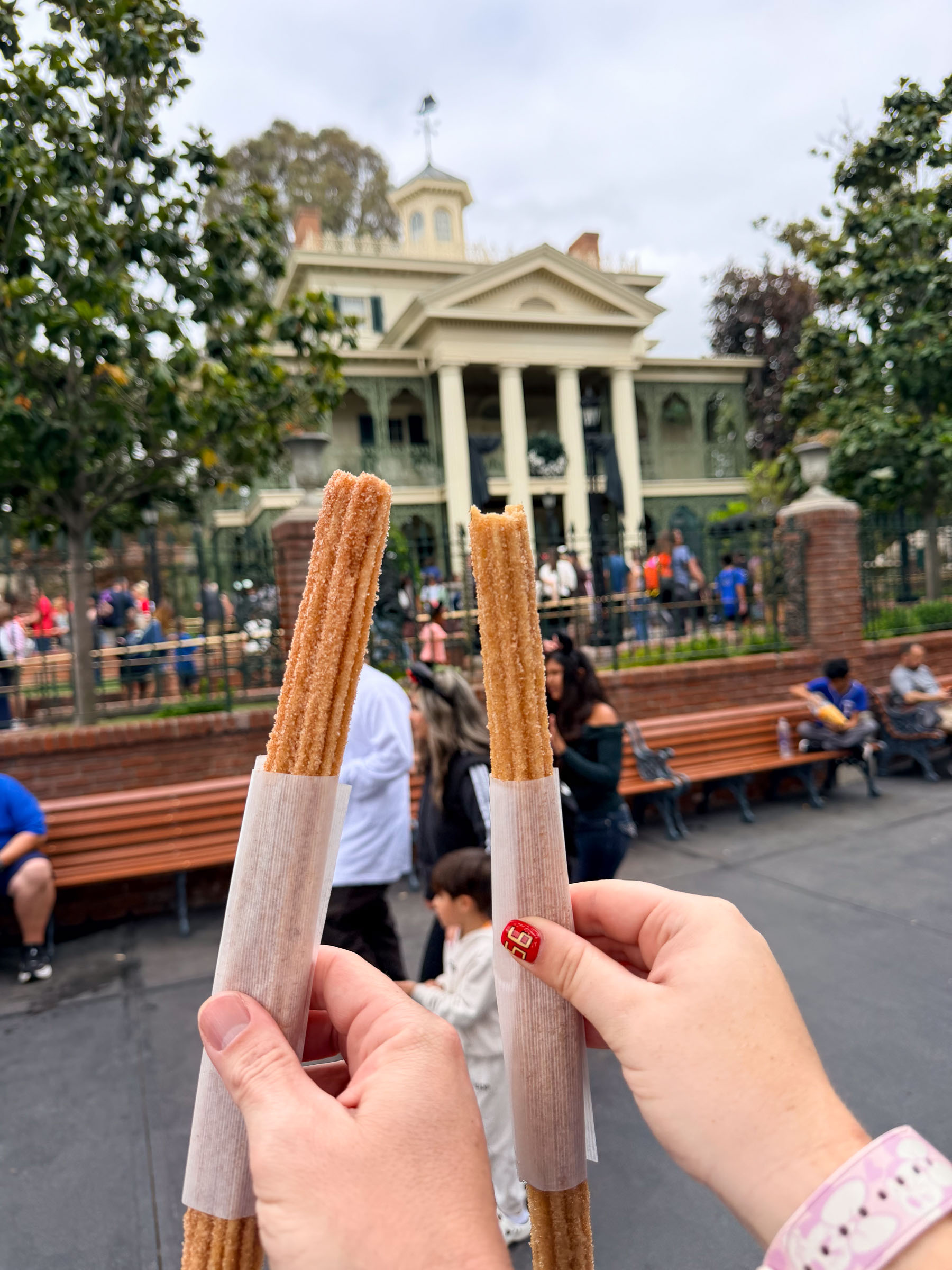
The Disneyland app lets you mobile order from most quick-service locations in the park, which means you select your food, pay in advance, and pick it up when it's ready — no waiting in a long counter line. This saves 15 to 30 minutes per meal at busy locations.
Place your mobile order before you leave your last attraction rather than when you arrive hungry at the restaurant. By the time you walk over, your food is often ready. This sounds like a small thing but it genuinely changes the rhythm of your day.
Plan around your group's actual priorities, not a generic list
Every Disneyland guide will give you a list of "must-do" rides. But the rides that matter are the ones your specific group is most excited about. A family with a 4-year-old and a 6-year-old has completely different priorities than a family with teenagers. Go in knowing what your group's top three are, structure your morning around getting those done, and let everything else fill in naturally.
Height requirements matter more than most first-timers realize. Several of the most popular rides have minimums of 40 to 46 inches. Indiana Jones requires 46 inches. Space Mountain requires 40 inches; Matterhorn Bobsleds requires 42 inches. Check the requirements for the rides on your list before you go, and decide in advance which parent will wait with younger children and which will ride — Disneyland offers a Rider Switch option at most height-restricted attractions that lets both adults ride without waiting twice.
Know the show and parade schedule before you leave the hotel
Disneyland's entertainment — parades, nighttime spectaculars, fireworks, live shows — are some of the most memorable parts of a first visit, but they require positioning. The Main Street Electrical Parade (or whatever the current evening parade is during your visit) draws crowds to the parade route, and the best viewing spots fill up 30 to 45 minutes before showtime.
Check the show schedule in the Disneyland app before you leave your hotel in the morning. If fireworks or a nighttime spectacular is on the calendar, decide early whether you're staying for it and pick your viewing area with time to spare. The spots that look great in photos — centered on the castle, unobstructed — go early.
What to skip on a first visit
Every few years a new attraction opens and draws massive crowds for months. During your visit, some rides will post dramatically longer waits than others not because they're dramatically better, but simply because they're the newest thing. This doesn't mean you should skip them, but it's worth knowing before you commit an hour of your day to one attraction.
On any given visit, the attractions with the highest waits are often not the objectively best experiences in the park. Some of the most beloved Disneyland rides — Pirates of the Caribbean, the Haunted Mansion, Indiana Jones, the Matterhorn — are classics because they genuinely hold up, not because they're new. Don't let the algorithm of what's popular dictate your entire day.
> The Co-Pilot Take: Here are the first-timer mistakes worth knowing before you go:
> - Arriving at park opening instead of before it
> - Using Lightning Lane on rides with short standby waits
> - Trying to split both parks evenly in one day
> - Eating lunch at the peak midday window (11:30 AM to 1 PM) — go earlier or later
> - Waiting for a closed ride at rope drop instead of pivoting immediately
None of these are catastrophic. But avoiding them is the difference between a good day and a great one.
Frequently asked questions
More magic.
Get the Theme Park Co-Pilot app and see real Disneyland wait times, crowd forecasts, and personalized plans.
Try free for 7 days →