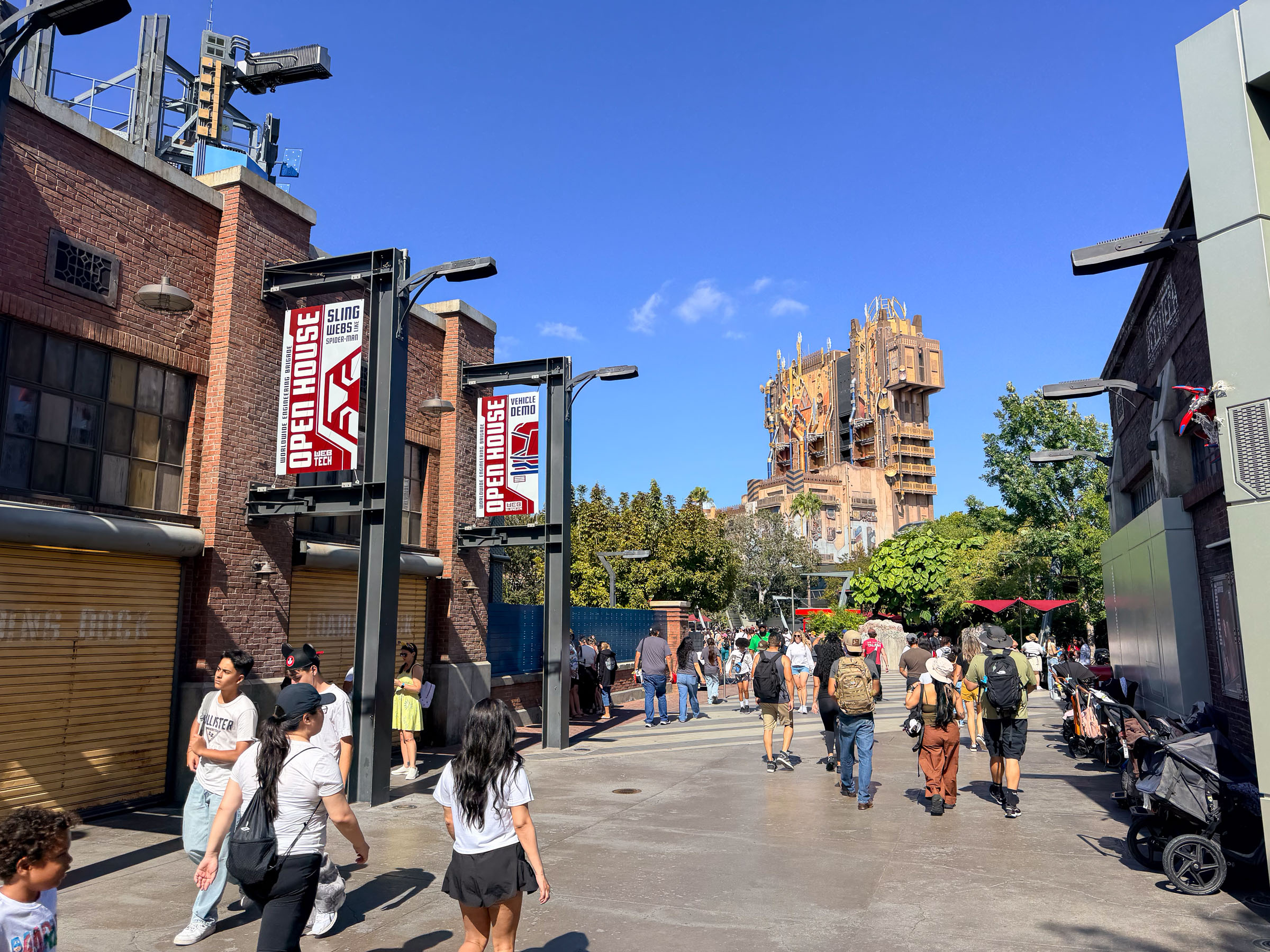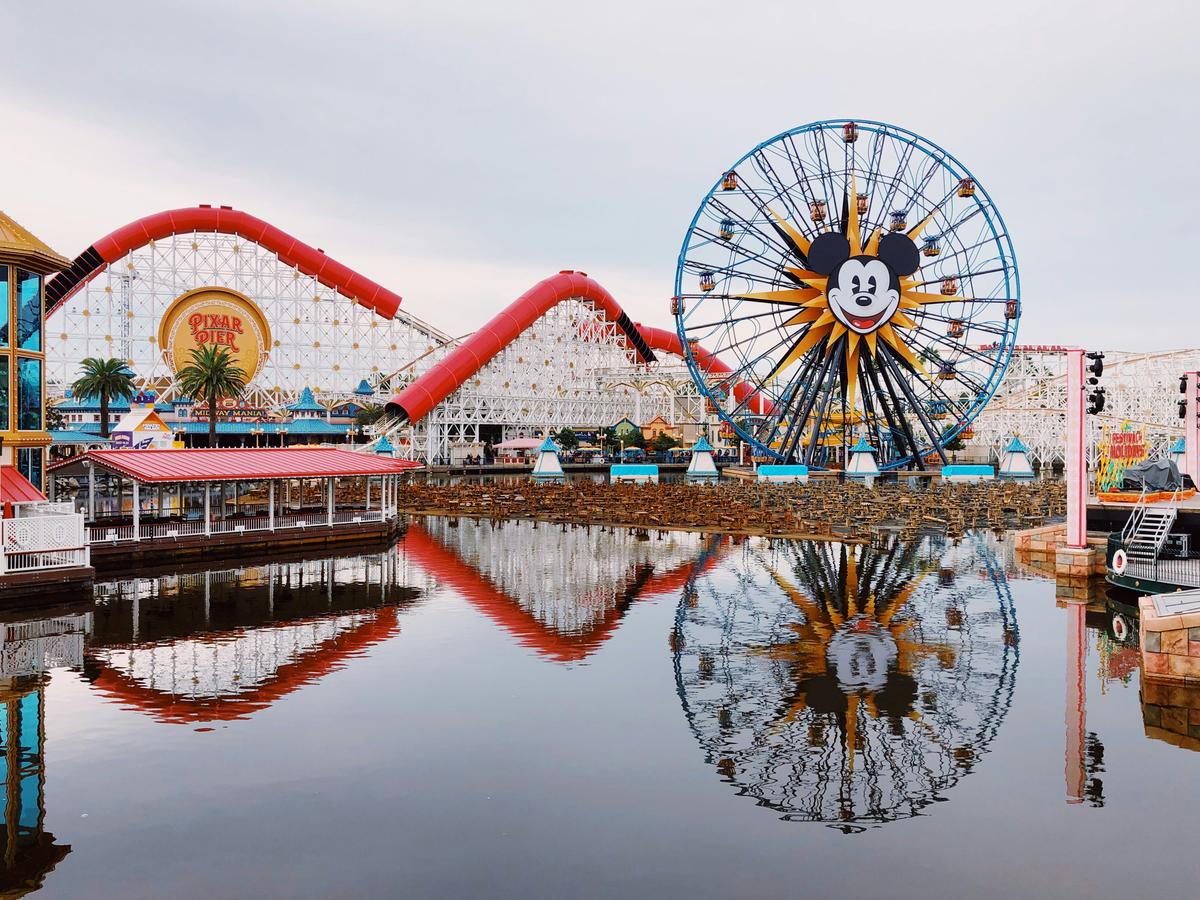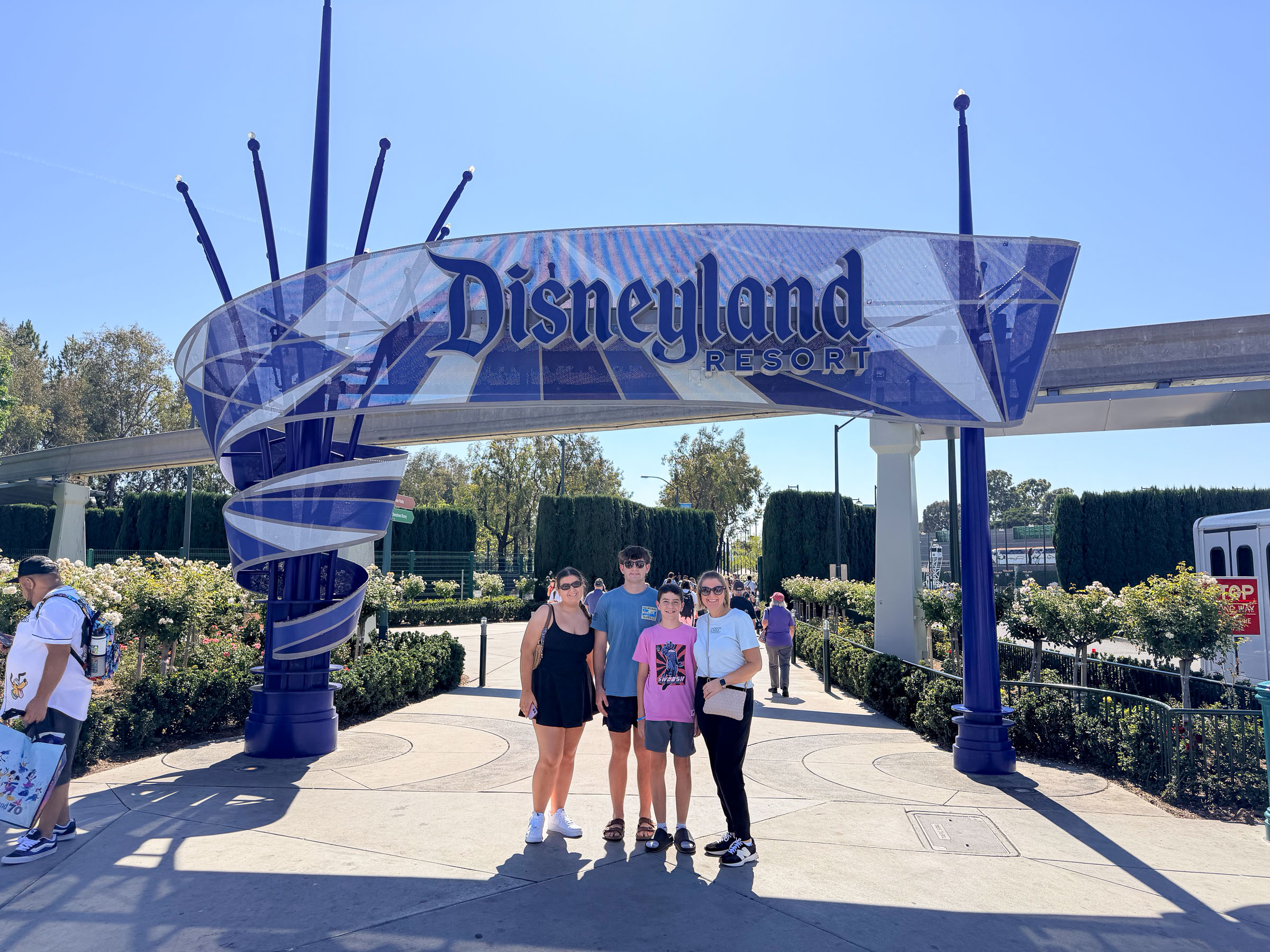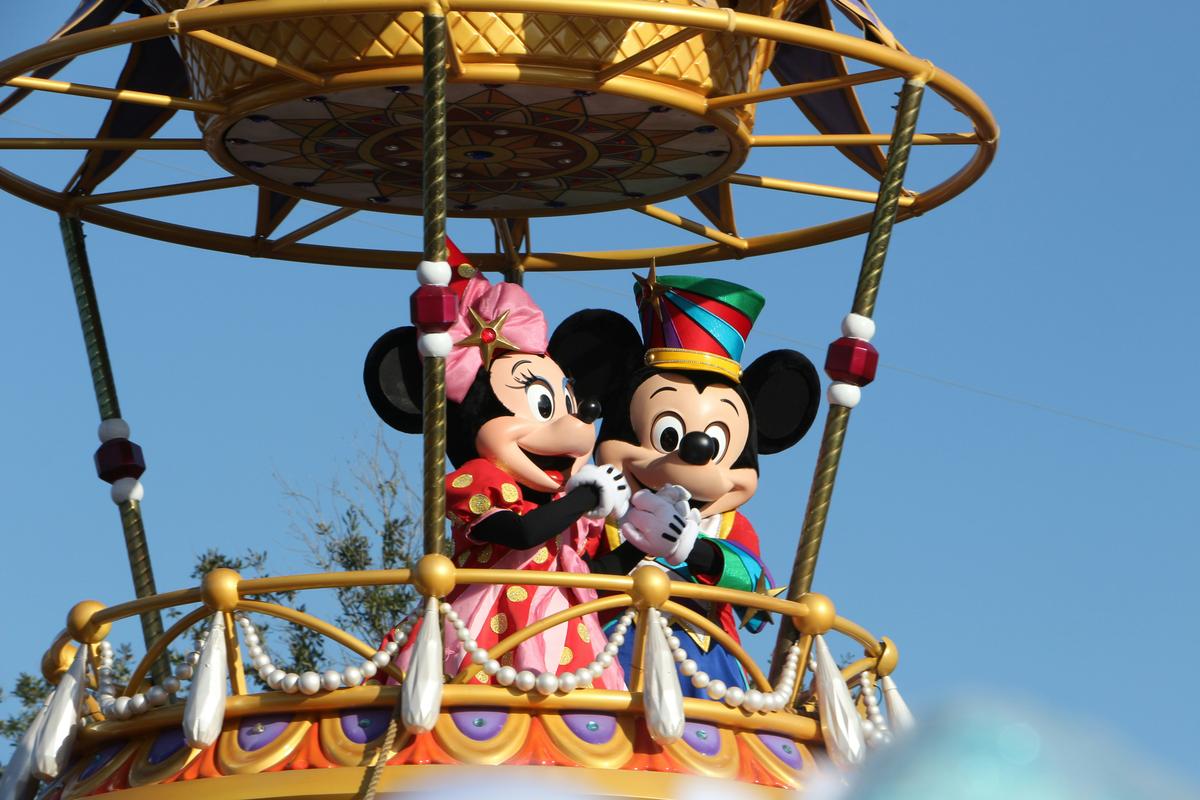
This guide gives you a clear picture of what Disneyland is like for kids at each stage, which rides are right for which ages, and how to plan a day that works for the specific children in front of you.
Under 3 — free admission, realistic expectations
Children under 3 enter Disneyland free. They can ride any attraction without a height requirement, experience characters, watch parades, and absorb the sensory environment of the park. Most children under 3 won't retain long-term memories of the trip — but that's a reason to set honest expectations, not a reason not to go.
Disneyland height milestones — quick reference
Before the age-by-age guide, here's the clearest way to understand what opens up as your child grows:
| Height | What unlocks |
|---|---|
| No requirement | Haunted Mansion, Pirates of the Caribbean, Jungle Cruise, it's a small world, Peter Pan's Flight, Dumbo, the Fantasyland dark rides, Buzz Lightyear Astro Blasters, WEB SLINGERS |
| 32 inches | Autopia (54" to drive alone); Mater's Junkyard Jamboree and Luigi's Rollickin' Roadsters (Cars Land, DCA) |
| 35 inches | Chip 'n' Dale's GADGETcoaster (Mickey's Toontown) |
| 38 inches | Millennium Falcon: Smugglers Run |
| 40 inches | Big Thunder Mountain Railroad, Space Mountain, Star Tours, Star Wars: Rise of the Resistance, Tiana's Bayou Adventure; Guardians of the Galaxy – Mission: BREAKOUT!, Radiator Springs Racers, Soarin' Around the World (DCA) |
| 42 inches | Matterhorn Bobsleds; Goofy's Sky School and Grizzly River Run (DCA) |
| 46 inches | Indiana Jones Adventure |
| 48 inches | Incredicoaster (DCA) |
The 40-inch mark is the biggest jump — it's when most of the park's thrill rides become accessible. The 46-inch mark unlocks Indiana Jones, which is the highest requirement on most of the park's most popular attractions.
This isn't a reason not to go — it's a reason to set accurate expectations. A trip to Disneyland with a 1 or 2-year-old is an experience for the parents. The child gets a colorful, stimulating environment, possible character interactions, and a ride on Dumbo. The parents get photos that will matter for decades and the experience of watching their child encounter something magical.
Plan shorter park days — 4 to 5 hours maximum before naps and exhaustion take over. Stroller through everything, mobile order food to avoid waiting with a fussy toddler, and keep the schedule flexible enough to leave when you need to.
Ages 3–5 — the Fantasyland years
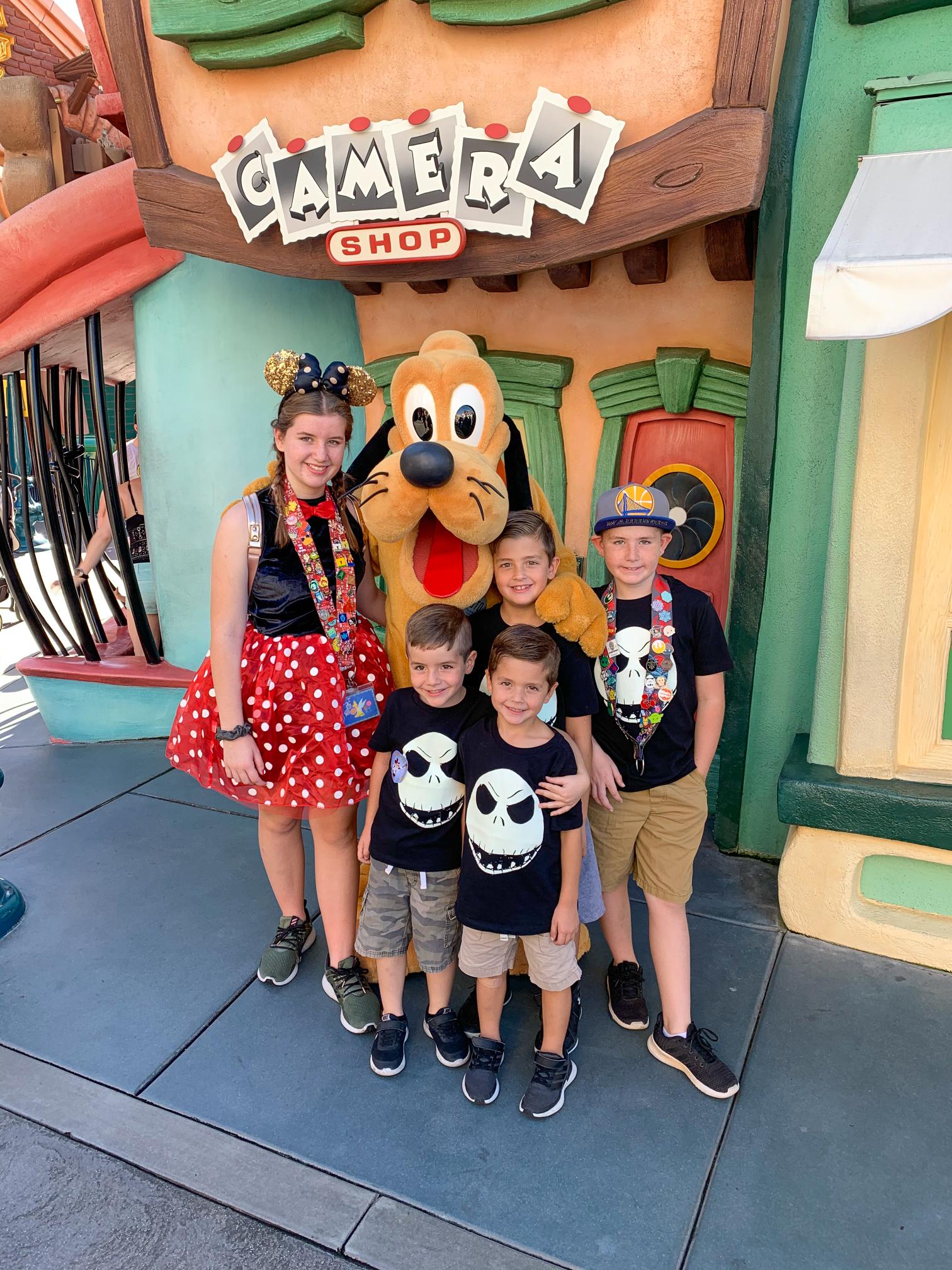
This is genuinely one of the best ages to bring a child to Disneyland, and many parents find it the most emotionally memorable visit of their children's entire childhoods. Children at this age are old enough to react to Disney characters, young enough to find everything astonishing, and typically hitting the height ranges that open up a significant portion of Fantasyland.
What works at this age:
Height reality at 35–40 inches (typical for ages 3–5):
At 35 inches, Chip 'n' Dale's GADGETcoaster in Mickey's Toontown opens up — a gentle first coaster. At 38 inches, options expand slightly. Most of the classic Fantasyland dark rides have no height requirement. The thrill coasters — Matterhorn, Space Mountain, Indiana Jones — are out of range for most kids at this age, which is generally appropriate given the intensity.
What to protect:
The midday nap or rest. Children 3 to 5 who push past their energy limits at Disneyland become different children entirely by early afternoon. Build in the break, stay at a nearby hotel if possible, and return for the evening parade and the magic of the park at dusk.
Ages 6–9 — the sweet spot
Ages 6 to 9 is widely considered the best age range for a first Disneyland trip, combining the genuine wonder of a younger child with the stamina to sustain a longer day and the height to access most of the park's key attractions.
Most children in this range are at or approaching 40 inches by age 6 and 44 to 46 inches by age 8 or 9. The 40-inch threshold is the big one — it opens Big Thunder Mountain Railroad, Space Mountain, Star Tours, Rise of the Resistance, and Tiana's Bayou Adventure at Disneyland Park, plus Guardians, Radiator Springs Racers, and Soarin' at DCA. Matterhorn (42") and Indiana Jones (46") come just after. Radiator Springs Racers at DCA is accessible at 40 inches — typically within reach by late in this age range.
What works at this age:
Rope drop strategy for this age:
Indiana Jones at Adventureland opening is the strongest move for most families in this range. Walk directly there at opening, do it in standby while the line is shortest, then work through Frontierland and Adventureland before the 10 AM crowd build.
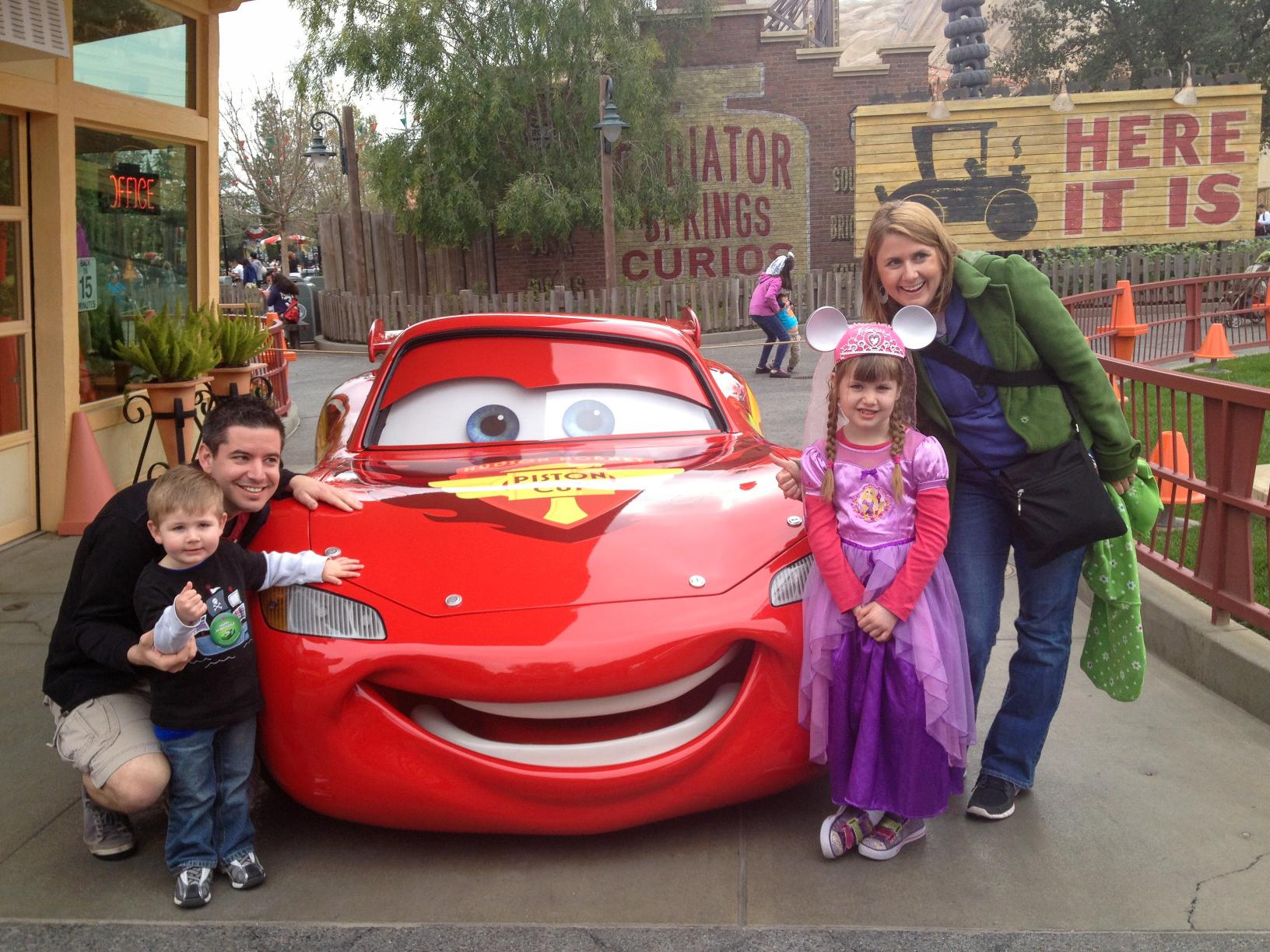
DCA expands significantly for this age. Radiator Springs Racers becomes accessible for many 8-to-9-year-olds. Incredicoaster and Guardians of the Galaxy are appropriate thrills. Web-Slingers has no height requirement and is interactive enough to engage older kids who might find some younger-skewing rides less interesting.
Ages 10–12 — the thrill seekers
By age 10, most children have cleared every height requirement at Disneyland Resort, including the 46-inch minimum for Indiana Jones and the 40-inch minimums for Radiator Springs Racers and the major DCA coasters. The focus shifts from "what can they ride" to "what do they want to ride most."
What works at this age:
The Rider Switch shift. By this age, Rider Switch is less relevant because children can access almost everything. Families with mixed ages — a 10-year-old and a 4-year-old — still benefit from it for the few rides that require height the younger child doesn't have.
Ages 13 and up — the transition
Teenagers experience Disneyland differently from any other age group. Some are fully bought in and love every minute. Others find it embarrassing to be excited about it and need a few hours before the park works its effect on them. Both are normal.
What works for teens at Disneyland:
Multi-age family strategy
The most common Disneyland challenge is a family with children spanning multiple age groups — a 4-year-old and a 10-year-old, or a 7-year-old and a 14-year-old. These trips require explicit planning around the split.
Rider Switch is your tool. Every height-restricted attraction at Disneyland offers Rider Switch. One parent rides while the other waits with the younger child; then they swap with a Lightning Lane-style return. Both adults ride, the child isn't left outside, and no one waits twice. Use it proactively throughout the day rather than only when problems arise.
Split the day into sections. Spend the first 90 minutes in Fantasyland for the youngest child. Spend the middle of the day in Adventureland and Frontierland where most rides work for a range of heights. Spend the afternoon in Galaxy's Edge where everyone can engage with the environment even if not every ride is accessible.
Give the older child one priority that's theirs. A teenager or older kid who knows they're going to get to do their specific thing — Rise of the Resistance, Indiana Jones twice, a Galaxy's Edge meal — tolerates the younger-skewing parts of the day more graciously.
> The Co-Pilot Take: The trip that works for your family is the one sized for the youngest person in your group, with deliberate carved-out space for the oldest. Plan the day so everyone gets their moment — not equal time, but their moment. Everything else fills in.
Frequently asked questions

More magic.
Get the Theme Park Co-Pilot app and see real Disneyland wait times, crowd forecasts, and personalized plans.
Try free for 7 days →