This guide cuts through the confusion and tells you exactly how Lightning Lane works at Disneyland in 2026, when it's worth buying, and how to use it in a way that actually makes a difference.
What is Lightning Lane at Disneyland?
Lightning Lane is Disneyland's paid system for accessing shorter, dedicated queues at popular attractions. If you've visited in the past and remember FastPass (the free paper ticket system) or MaxPass (the paid digital upgrade), Lightning Lane is the current version of that idea — with some meaningful differences in how you book and how it's priced.
There are two separate Lightning Lane products at Disneyland. Understanding the difference between them is the foundation of everything else.
Lightning Lane Multi Pass covers the majority of popular attractions at both Disneyland Park and Disney California Adventure. It's a day-use pass that lets you book one Lightning Lane return time at a time, moving from attraction to attraction throughout the day. You pay one price for the entire day and use it as many times as you can across all eligible rides. It also includes unlimited PhotoPass digital photo downloads for your visit.
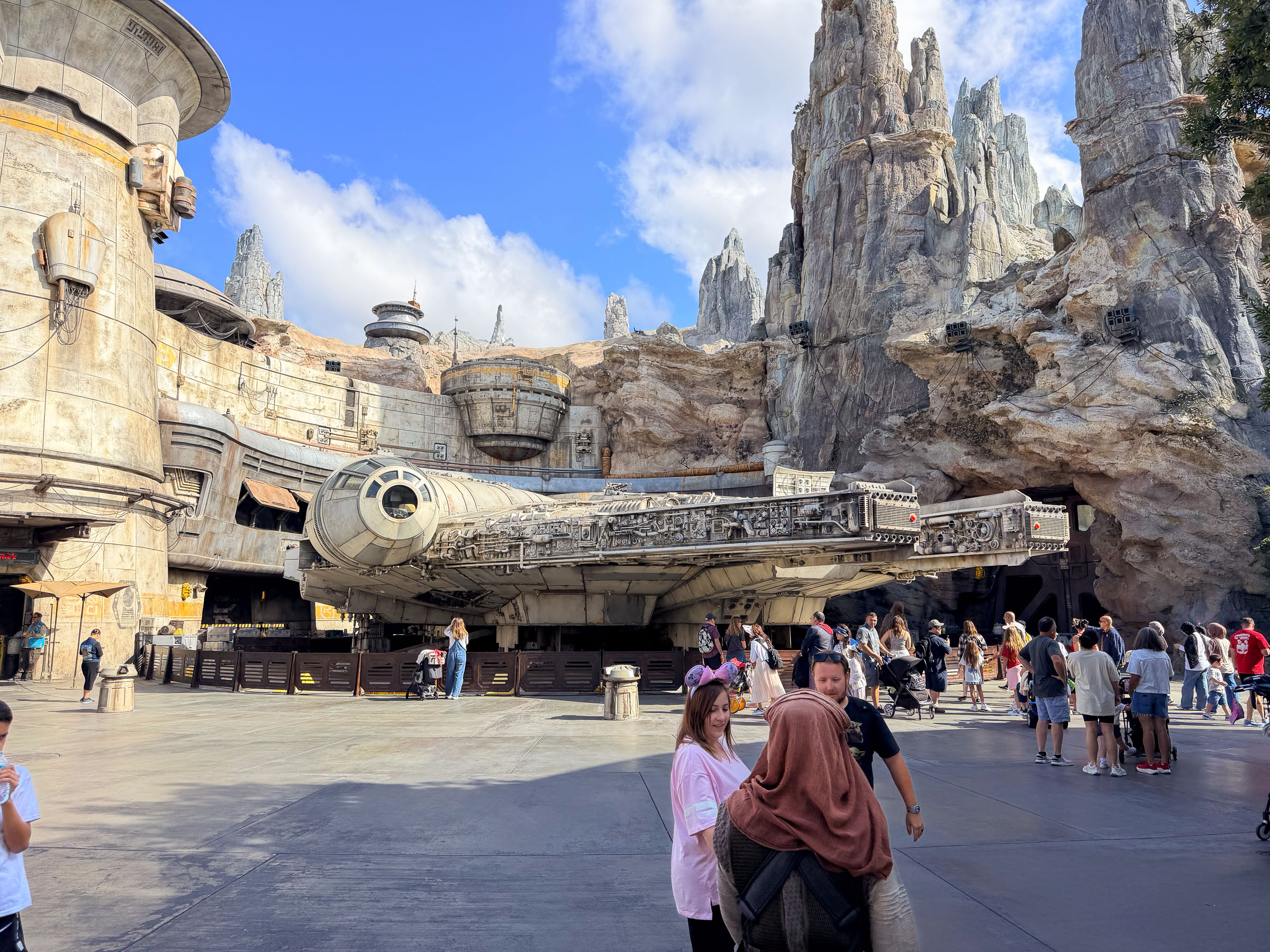
Lightning Lane Single Pass covers a small number of headline attractions that are excluded from Multi Pass — rides like Star Wars: Rise of the Resistance and a handful of others. You purchase Single Pass separately, per person, per attraction. It's an a-la-carte upgrade on top of (or instead of) Multi Pass.
There is also a Lightning Lane Premier Pass, which bundles access to nearly all Lightning Lane attractions at both parks in a single purchase. It's priced significantly higher — ranging from roughly $300 to $400 per person depending on the date — and is most useful for guests who want maximum flexibility and don't want to think about booking strategy at all.
How much does Lightning Lane Multi Pass cost at Disneyland?
Pricing is variable and changes based on the date, demand, and how far in advance you purchase. The lowest prices appear when you book in advance with your ticket purchase. When purchased that way, Multi Pass starts at around $34 per person per day. If you wait until you're in the park on the day of your visit, the price will often be higher — sometimes considerably so on busy days.
The practical implication: if you know you want Multi Pass, buy it when you buy your tickets. You lock in a lower rate and you can start thinking through your booking strategy before you even arrive.
Lightning Lane Single Pass for individual attractions like Rise of the Resistance typically runs in the $20 to $30 range per person, with prices varying by date and demand. These sell out of available return windows early in the day — sometimes before 11 AM on peak days. If a Single Pass ride is a must-do for your group, purchase your return window first thing in the morning.
When can you book Lightning Lane at Disneyland?
Unlike Walt Disney World, where on-site hotel guests can make Lightning Lane selections days in advance, Disneyland's system is entirely day-of. You cannot pre-book specific attraction return windows before the day of your visit.
Once you enter the park, open the Disneyland app and book your first selection immediately. You'll be shown available return times for eligible attractions and can select the one you want. After you use that reservation (or after a two-hour window passes from the time you made the booking, whichever comes first), you can book your next one.
This two-at-a-time pace is why timing matters. You want to be booking your next Lightning Lane while you're standing in a standby queue for something else, not burning 30 minutes deciding what to do next.
What rides are included in Lightning Lane Multi Pass at Disneyland?
The full list changes occasionally, but Multi Pass generally covers more than 20 attractions across both parks. At Disneyland Park, included rides typically cover Space Mountain, Matterhorn Bobsleds, Indiana Jones Adventure, Haunted Mansion, Star Tours, Buzz Lightyear Astro Blasters, and others. At Disney California Adventure, Guardians of the Galaxy: Mission Breakout, Incredicoaster, and Soarin' are among the Multi Pass options.
Two important attractions are Lightning Lane Single Pass only — not included in Multi Pass:
- Star Wars: Rise of the Resistance (Disneyland Park)
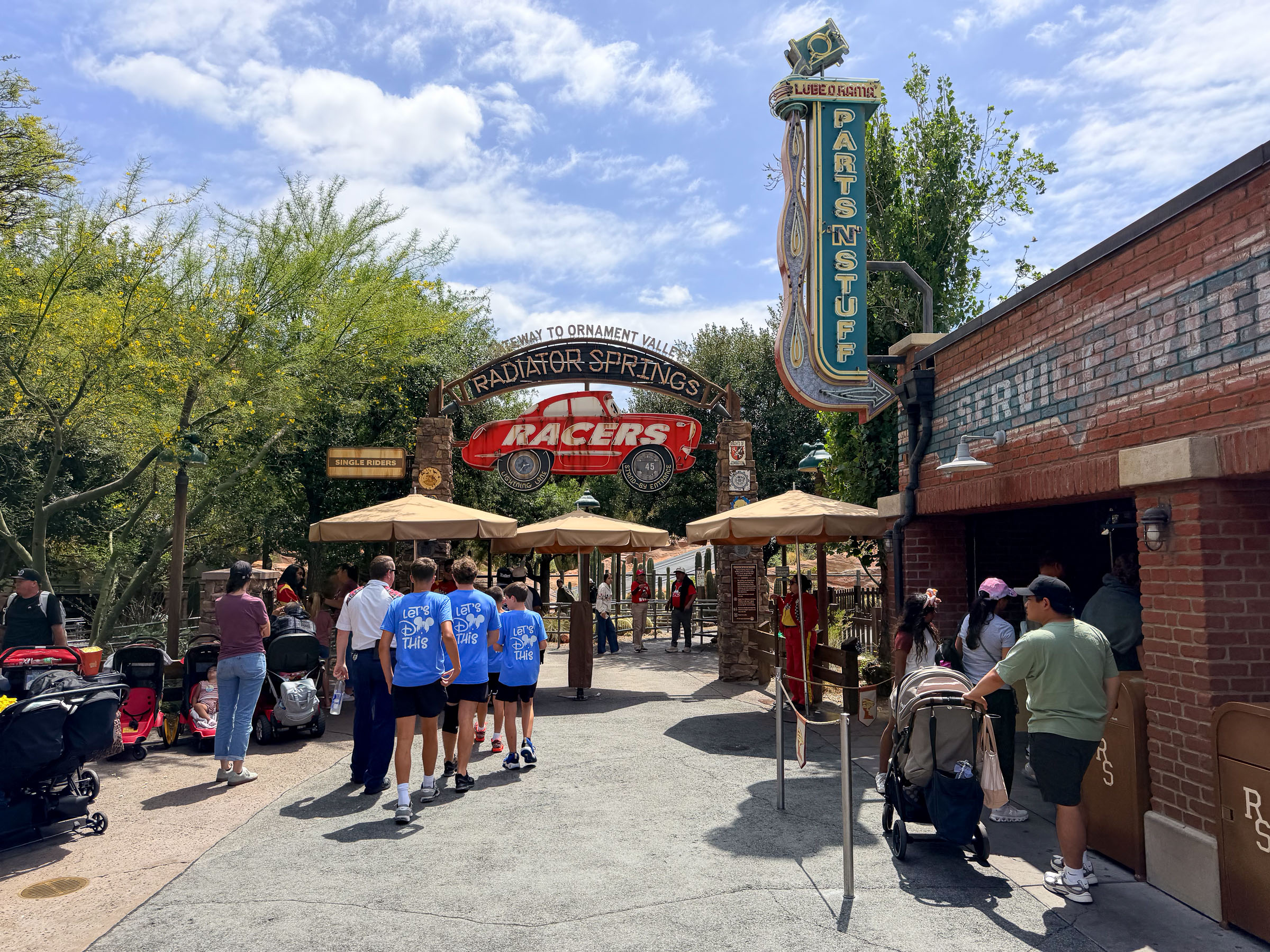
- Radiator Springs Racers (Disney California Adventure)
Both require a separate Single Pass purchase per person per day, priced roughly $18 to $28 depending on date and demand. These are the two highest-demand attractions in their respective parks and the ones guests most often assume are included in Multi Pass. They are not. Budget for them separately if they're priorities.
Note that Pirates of the Caribbean was removed from Lightning Lane Multi Pass in 2025 and returned to standby-only. Always verify the current attraction list in the Disneyland app before your trip, as the lineup does shift.
Is Lightning Lane Multi Pass worth it at Disneyland?
The honest answer: it depends on when you're visiting and how you plan your day.
On a slower day — a Tuesday in January, for example — a sharp rope drop strategy and a willingness to be at the park early can get you through most of the major attractions without Lightning Lane. The wait times on light days rarely justify the per-person cost if you're already a disciplined early arriver.
On a busy day — a summer Saturday, a school holiday weekend, a peak season visit — Lightning Lane Multi Pass is genuinely valuable. The difference between riding six attractions with 20-minute waits versus six attractions with 60-minute waits is significant, and Multi Pass can compress multiple standby hours into a much shorter total waiting time.
The break-even question is roughly this: if the rides you care about are consistently posting waits over 40 minutes, Multi Pass is earning its cost. If the park is light and your target rides are running 20 to 30 minutes in standby, you're better off with a strong morning plan and no pass.
For families with young children who want to cover a lot of Fantasyland in a single day, note that Fantasyland's dark rides — Peter Pan's Flight, Mr. Toad's Wild Ride, Snow White — are primarily a rope drop and standby play. Peter Pan's Flight is not currently on the Disneyland Multi Pass attraction list, so a sharp early morning is your best tool for getting through Fantasyland efficiently rather than Lightning Lane.
How to actually use Lightning Lane Multi Pass effectively
Buying the pass is the easy part. These are the moves that separate families who get real value from it and families who feel like they wasted the money.
Book your first ride before you enter your first standby queue. Open the app the moment you're inside the gate and reserve your first Lightning Lane. Pick the attraction you care about most that you're not already walking toward in standby. This sets your first two-hour clock running immediately.
Use standby time as booking time. Every minute you're standing in a standby line is a minute you can be planning your next Lightning Lane. Book your next reservation while you're already riding or queuing, not when you're standing outside an attraction unsure of your next move.
Don't use Multi Pass on short standby rides. If a ride is posting under 25 minutes in standby, that wait isn't worth a Lightning Lane reservation. Use those slots for rides where the standby line is genuinely painful.
Book Indiana Jones early. Among the Multi Pass-eligible attractions at Disneyland Park, Indiana Jones and Space Mountain tend to fill up the fastest. If you're not standby-riding Indiana Jones at rope drop, make it your first Multi Pass booking of the day.
Modify instead of cancel. If you booked a return time that no longer works for your day, use the app to modify the time rather than canceling it and losing your slot. The modify function lets you keep the reservation while pushing the return window to something more convenient.
Check Single Pass availability throughout the day. Rise of the Resistance Single Pass often sells out its return windows quickly in the morning, but sometimes later return windows (7 to 9 PM) open up or become available mid-afternoon as guests cancel or no-show. Worth checking if you didn't get one in the morning.
What changed about Lightning Lane at Disneyland in 2026?
Two changes took effect in early 2026 that affect how you plan your day.
First, Early Entry for Disneyland Resort hotel guests was discontinued. On-site guests no longer get 30 minutes of exclusive park access before all other visitors. Instead, they receive one complimentary Lightning Lane entry to a Multi Pass-eligible attraction per person per stay — a single bonus reservation they can use on any eligible Multi Pass ride. This does not include Single Pass attractions like Rise of the Resistance or Radiator Springs Racers. If you're staying at a Disney hotel, link your reservation in the Disneyland app and redeem this perk early in your first park day.
Second, the available Lightning Lane Multi Pass ride lineup shifted. Pirates of the Caribbean was removed from the system in 2025, and the DCA attraction lineup saw adjustments related to changes in Hollywood Land. Always check the current list in the Disneyland app ahead of your trip.
The calm Lightning Lane rule: don't pay to skip easy lines
This is the one principle that saves families the most money. Lightning Lane earns its keep on rides posting 45 minutes or more in standby — not on rides running 20 minutes. Before you book a Multi Pass selection, check the current standby wait. If it's under 25 minutes, walk up and ride it. Save your Lightning Lane slot for the next genuinely long line.
> The Co-Pilot Take: Before your trip, list your group's top five must-do rides. Decide which two or three you'll rope drop in standby, and which two you'd most want a Lightning Lane for. That pre-trip decision removes the in-park analysis paralysis when it costs you the most time.
Lightning Lane vs. rope drop: which matters more?
Neither one replaces the other. They work together.
Rope drop gives you access to multiple major attractions in the first 60 to 90 minutes of the day with no Lightning Lane required. Lightning Lane Multi Pass picks up after the crowds build and lets you keep moving efficiently into the afternoon. The families who have the best days are the ones who do both — a strong early morning in standby, followed by strategic Lightning Lane use through the afternoon when lines peak.
The mistake is treating Lightning Lane as a substitute for arriving early. You can spend $34 per person on Multi Pass and still lose two hours of your morning if you arrive at 10 AM. The pass can't recapture time you didn't have in the first place.
If you're on a budget and can only choose one, choose rope drop. Show up early, move efficiently, and save the Lightning Lane spend for a future trip or a genuinely crowded day when the math really works in your favor.
For a deeper look at making the most of your mornings at Disneyland, read our Disneyland rope drop strategy guide.
Frequently asked questions
More magic.
Get the Theme Park Co-Pilot app and see real Disneyland wait times, crowd forecasts, and personalized plans.
Try free for 7 days →